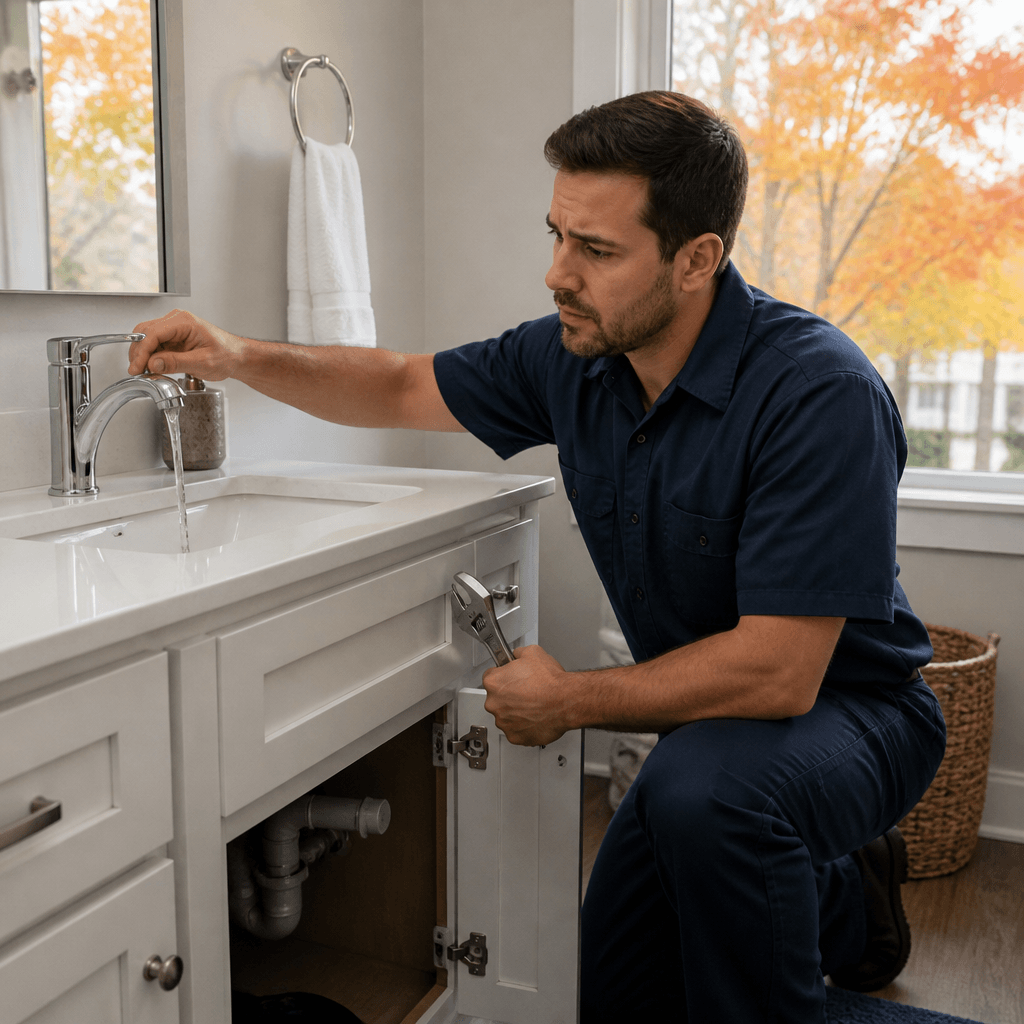
• Low water pressure can come from simple issues like clogged fixtures, a partially closed valve, or a small leak.
• A quick checklist can help you tell whether the problem is in one fixture, the whole house, or the water supply line.
• If basic checks do not fix it, a plumber can find the cause and help prevent bigger plumbing damage.
Find the Cause of Low Water Pressure Fast
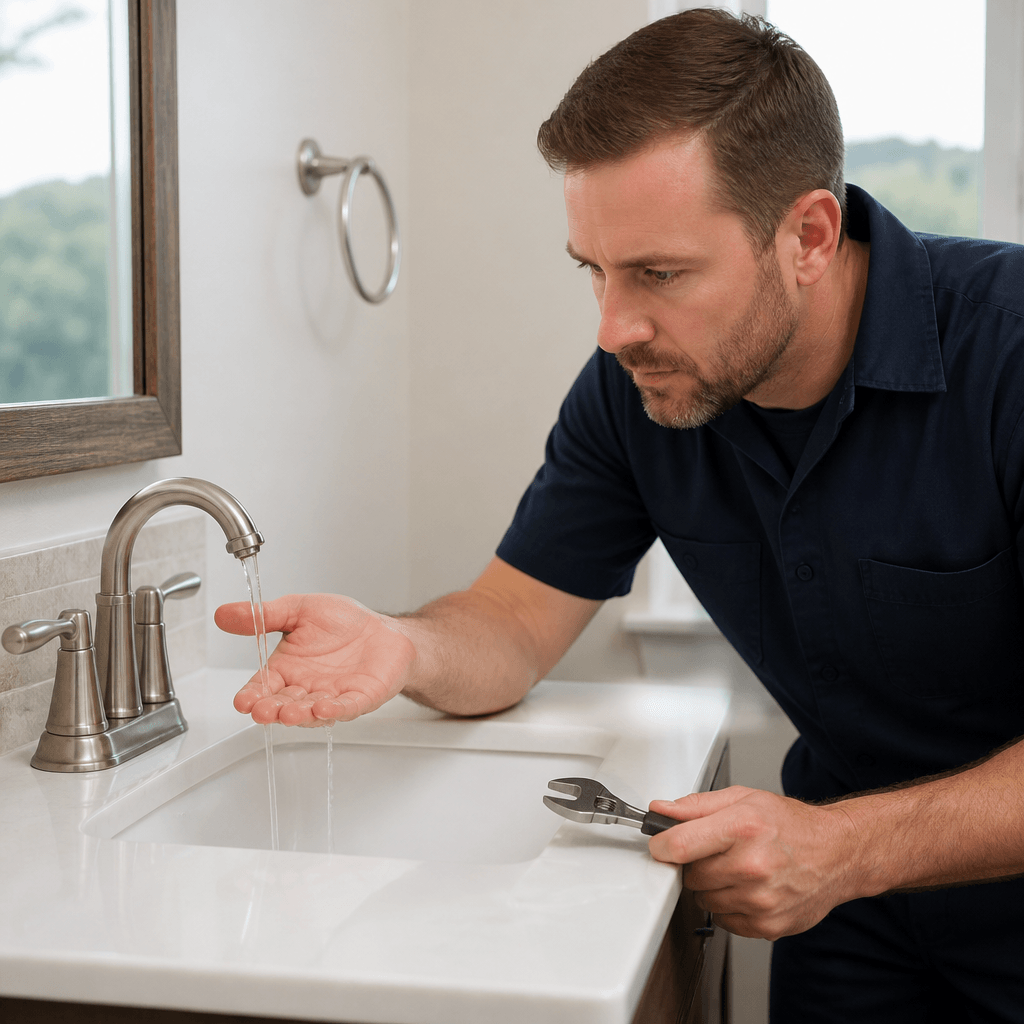
If you are asking what causes low water pressure in a house, the goal is to find the source before it turns into a bigger plumbing problem. A quick check can help you tell whether the issue is in one fixture, part of the home, or the whole water line.
Start by looking for simple signs like clogged faucet aerators, old pipes, or a leak that is hiding behind a wall. When those checks do not solve it, a licensed plumber can help pinpoint the problem and recommend the right fix.
In many homes, the answer may involve worn parts, mineral buildup, or pressure loss in the supply line. If you need help with a deeper plumbing issue, our plumbing services are built to get the water flowing the way it should.
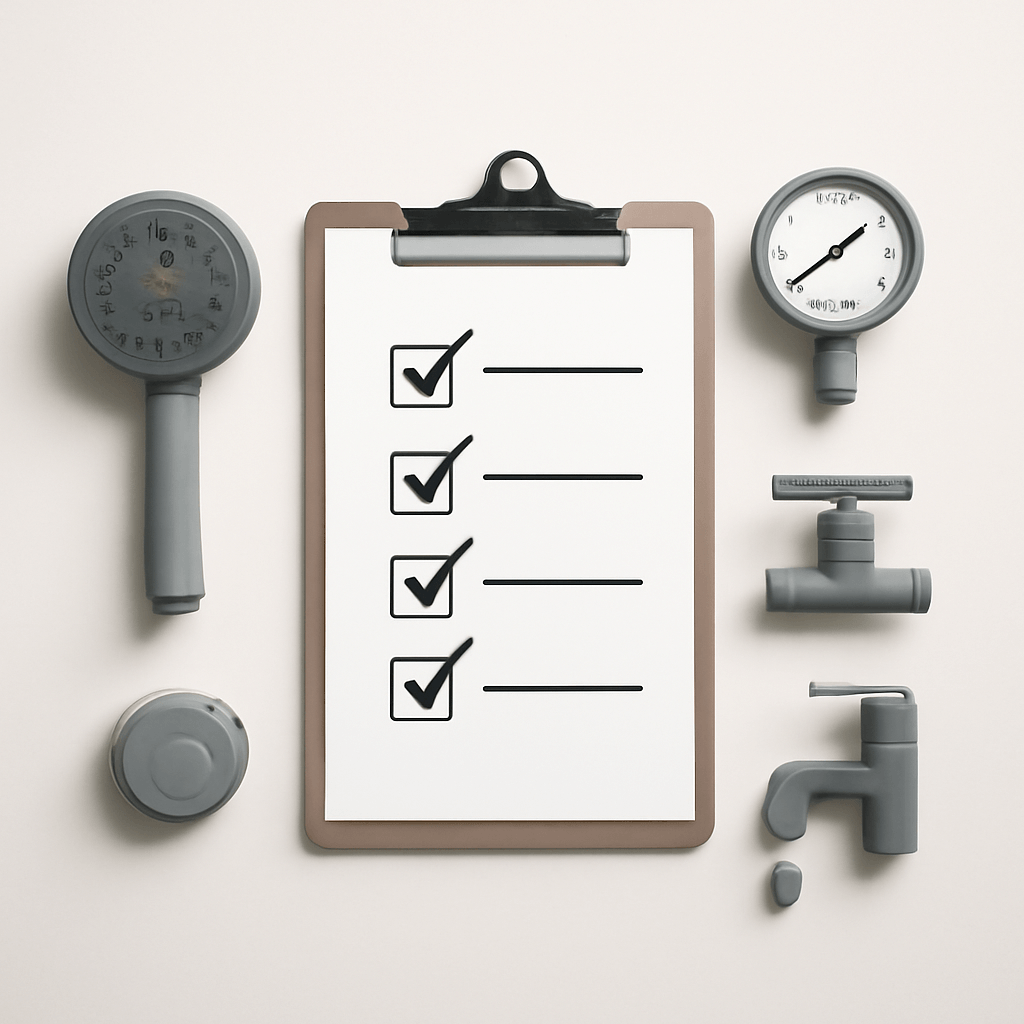
Low Water Pressure Checklist
Use this checklist to narrow down what is causing the pressure drop and take the next best step. A few simple checks can show whether the problem is small, local, or tied to a larger plumbing issue.
- ✅ Check if low pressure affects one faucet or the whole house
- ✅ Remove and clean faucet aerators and showerheads
- ✅ Look for visible leaks under sinks and around fixtures
- ✅ Ask if nearby homes are having water supply problems
- ✅ Test more than one fixture to compare water flow
- ✅ Check the home’s main shutoff valve to make sure it is fully open
- ✅ Watch for signs of pipe corrosion or mineral buildup
- ✅ Call a plumber if the pressure stays low after basic checks
These steps can help you spot the most common reasons behind weak water flow before the issue gets worse. If the problem keeps coming back, the cause may be deeper in the plumbing system and may need a professional repair.
When you take time to check each part of the system, it becomes easier to tell whether the issue is simple or serious. That makes it easier to act fast and protect your home from bigger damage.
Additional Advice
One smart move is to pay attention to when the pressure drops most often. If it happens at certain times of day, the issue may be tied to higher water use in the area or a supply problem that affects the whole neighborhood.
It also helps to avoid ignoring slow changes in water flow. A small drop in pressure can be a warning sign of pipe buildup, a hidden leak, or a valve issue that may get worse over time.
If the problem keeps showing up in more than one fixture, a plumbing inspection can save time and stress. For homes that need more than a basic fix, our repiping services can help address older pipes that are no longer working well.
Fall is a good time to handle water pressure problems before cooler weather brings more demand on your plumbing system. Acting early can help you avoid surprise repairs and keep your home running smoothly through the season.
Frequently Asked Questions
What causes low water pressure in a house?
Low water pressure in a house is often caused by clogged fixtures, leaking pipes, partially closed valves, or buildup inside older plumbing. It can also come from the water supplier if the pressure is low in the area.
How do I know if low water pressure is from one faucet or the whole house?
You can tell by testing several fixtures around the home. If only one faucet is weak, the problem is likely local, but if every fixture is affected, the issue is probably in the main water line or supply system.
Can a hidden leak cause low water pressure?
Yes, a hidden leak can cause low water pressure by letting water escape before it reaches your fixtures. This can also lead to water damage, so it should be checked as soon as possible.
Does old plumbing affect water pressure?
Yes, old plumbing can reduce water pressure because rust, scale, and mineral buildup can narrow the pipes. In some homes, aging pipes may need repair or replacement to restore steady flow.
When should I call a plumber for low water pressure?
You should call a plumber if the pressure stays low after basic checks or if the problem gets worse over time. A professional can find the exact cause and fix issues that are not easy to see.
Wrapping Up Your Low Water Pressure Check
Low water pressure can come from a simple fixture issue or a larger problem inside the plumbing system. The best first step is to check the easy fixes, then look for signs that point to leaks, buildup, or supply trouble.
When the cause is not obvious, fast help can prevent more damage and save time later. If you want a trusted local team in Tustin, Andrus Plumbing Heating & Air Conditioning is ready to help, and you can follow us on social media for updates.