- Learn how to compare indoor air quality systems by looking at airflow, filtration, and humidity control so your home feels better fast.
- See the key signs that your home needs a better air quality setup, especially during warm weather when stale air can build up indoors.
- Follow a simple step-by-step process to choose the right system, avoid common mistakes, and keep your indoor air more comfortable.
Why Indoor Air Quality Matters in Summer
When summer heat settles into Trabuco Canyon, homes can trap stale air fast. That can make rooms feel stuffy, uncomfortable, and harder to enjoy during the hottest part of the day. If your home feels off, it may be time to look at indoor air quality systems compared before the problem grows.
Poor air inside the home can show up in small ways at first. You might notice more dust, lingering odors, or rooms that never feel quite fresh. These signs can point to a system that is not moving, filtering, or balancing air the way it should.
The right setup can make a big difference in how your home feels all season long. At Andrus Plumbing Heating & Air Conditioning, we know how quickly indoor comfort can slip in warm weather, especially when air is not being handled the right way. You can learn more about our indoor air quality services if your home needs a better path forward.
How the Main Systems Work Together
Indoor air quality is not just one thing, because several parts work together to help your home feel better. Filters catch dust and debris, ventilation helps move old air out, and humidity control helps keep the air from feeling too dry or too damp. When looking at indoor air quality systems compared, it helps to think about how each one handles a different problem.
A filter can help reduce particles, but it will not solve airflow issues on its own. A ventilation system can bring in fresher air, but it does not always remove tiny particles or control moisture. That is why many homes need a mix of solutions instead of relying on one piece alone.
The best choice often depends on the home, the season, and what symptoms stand out most. In summer, warm outdoor air and closed windows can make indoor conditions change quickly. A system that matches your home’s needs can help keep the air steady and more comfortable day after day.
Step-by-Step Guide
🔍 Step 1: Notice the Warning Signs
Start by paying attention to how your home feels during the day. Dust buildup, bad smells, stuffy rooms, and uneven comfort often point to an air quality issue.
📋 Step 2: Check the Main Air Paths
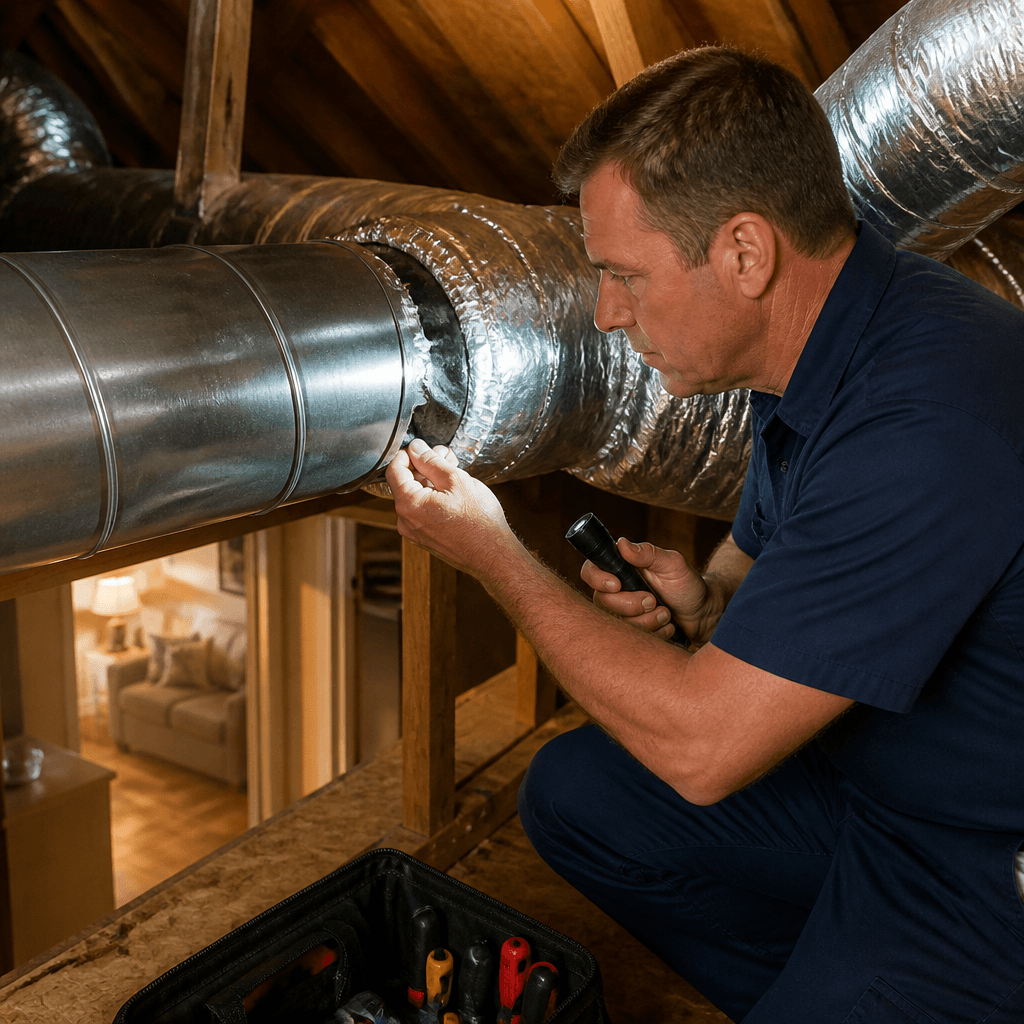
Look at where air enters, moves, and leaves the home. Good airflow is important because stale air can stay trapped when vents, filters, or returns are not doing their job.
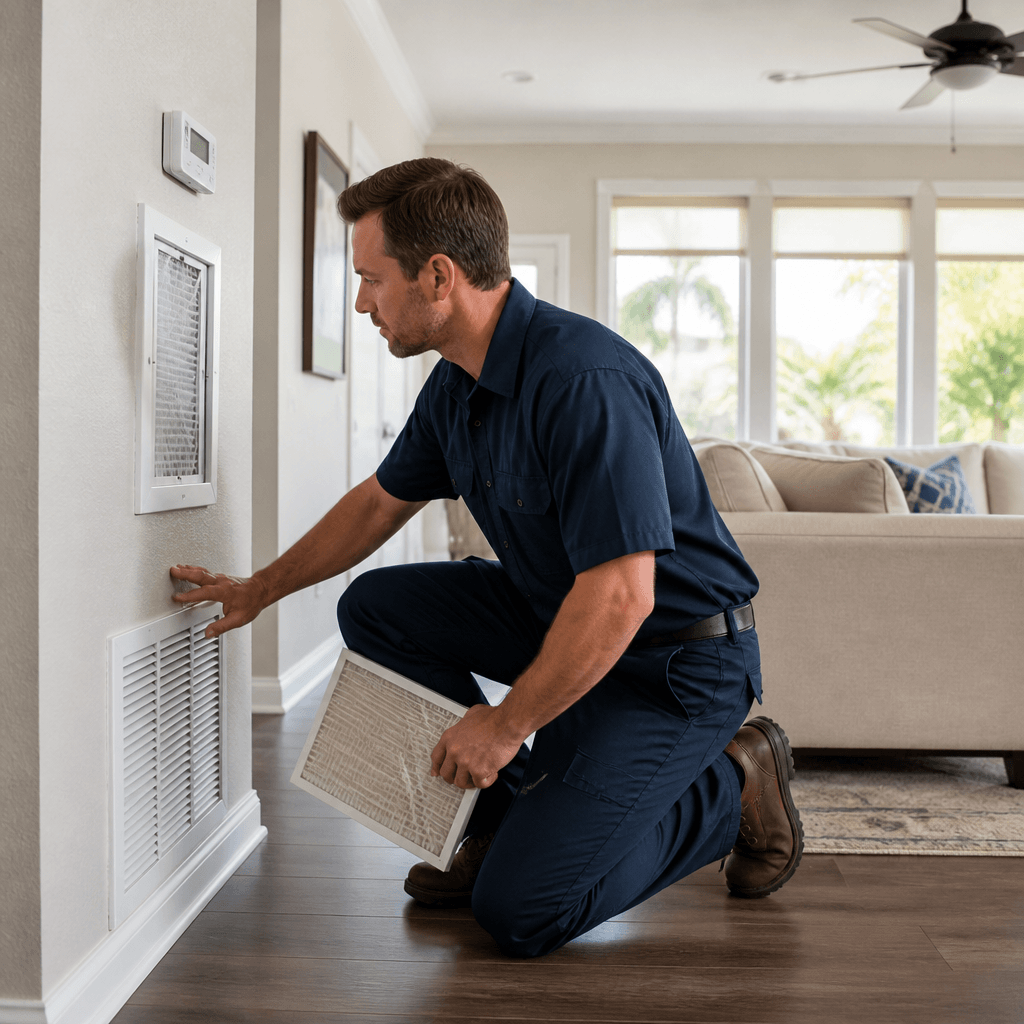
🧼 Step 3: Inspect the Air Filter
A clogged filter can slow airflow and let more debris stay in the system. Check whether it looks dirty or overdue for replacement, since a clean filter is one of the simplest ways to support better indoor air.
💧 Step 4: Review Humidity Levels
Humidity that is too high or too low can affect comfort and air quality. In warm weather, excess moisture can make air feel heavy, while very dry air can make a home feel less comfortable.
🌬️ Step 5: Compare the Available Systems
Think about what each option is meant to do before choosing one. Air cleaners help with particles, ventilation helps refresh air, and moisture control helps balance comfort, so the best choice depends on the main problem in the home.
🛠️ Step 6: Match the System to the Home
Every home has different needs based on size, layout, and how often it is occupied. The right setup should fit the space and solve the issue you noticed at the start, not just add another device.
📅 Step 7: Keep Up with Maintenance
Even a good system can fall behind if it is not serviced on time. Regular care helps the system keep working the way it should and can prevent small issues from turning into bigger ones.
Common Mistakes to Avoid
A lot of DIY air quality projects go wrong because people focus on one symptom and miss the bigger picture. That can lead to wasted time, poor results, and more frustration during a season when comfort matters most. The best way to avoid that is to follow each step carefully and check the full system, not just one part of it.
- ⚠️ Mistake 1: Ignoring the Air Filter
Many people overlook the filter because it seems like a small part of the system. This happens when the home still runs, even though airflow and air quality are already slipping, so prevention starts with checking the filter first and replacing it when needed. - ⚠️ Mistake 2: Picking One Fix for Every Problem
Some homeowners assume one device can handle dust, airflow, and moisture all at once. That mistake usually comes from wanting a fast answer, but the better approach is to match the system to the main issue before making a choice. - ⚠️ Mistake 3: Skipping Humidity Checks
People often forget humidity because they can see dust more easily than moisture issues. This can lead to discomfort and poor air balance, so prevention means checking whether the air feels too damp or too dry before deciding what to install. - ⚠️ Mistake 4: Overlooking Airflow Problems
Some DIY efforts focus on cleaning the air while ignoring how it moves through the home. This happens when vents and returns look fine on the outside, but prevention means making sure the air can circulate properly from room to room. - ⚠️ Mistake 5: Waiting Until the Problem Gets Worse
Homeowners often delay action because the signs seem minor at first. That delay can make comfort problems more noticeable in summer, so prevention means acting early when dust, odors, or stuffiness first show up.
Frequently Asked Questions
What are the main indoor air quality systems compared in a home?
Yes, the main options usually include air filters, air cleaners, ventilation systems, and humidity control equipment. Each one handles a different part of the problem, so the best choice depends on whether your home needs cleaner air, better airflow, or more balanced moisture.
How do I know which indoor air quality system I need?
Yes, the right system depends on the symptom you notice most. If dust is the main issue, a better filter or air cleaner may help, while stale air may point to a ventilation problem and comfort issues may point to humidity control.
Can one system fix every air quality problem?
No, one system usually cannot solve every indoor air issue by itself. Homes often need more than one solution because particles, airflow, and humidity each affect comfort in a different way.
Why does summer make indoor air feel worse?
Yes, summer can make indoor air feel worse because homes are often closed up more tightly while heat and moisture stay outside. That can trap stale air inside and make comfort problems more noticeable, especially in warm areas like Trabuco Canyon.
How often should indoor air quality systems be checked?
Yes, they should be checked regularly so small issues do not turn into bigger comfort problems. Filters should be reviewed often, and the rest of the system should be maintained on a routine schedule to keep air moving and balanced.
Bringing Better Air Into Your Home
Choosing the right solution starts with knowing what your home actually needs. When you look at the signs, compare the options, and follow a simple plan, it becomes much easier to make the right call. That is the best way to approach indoor air quality systems compared in a home that needs steadier comfort during summer.
We believe better indoor air should feel practical, not confusing. If you want to keep up with more home comfort tips from our team, follow us on social media.