• Spot small plumbing problems early: Learn how to catch leaks, slow drains, pressure changes, and other warning signs before they turn into costly damage.
• Follow simple prevention steps: Use practical habits like checking pipes, keeping drains clear, and protecting exposed plumbing to reduce the chance of emergencies.
• Avoid common DIY mistakes: Find out which shortcuts make plumbing issues worse and when it is smarter to bring in a professional.
Why Small Plumbing Issues Turn Urgent Fast
When a small leak starts, it can quickly turn into a mess that soaks walls, damages floors, and interrupts daily routines. In a place like Fullerton, changing weather can put extra stress on pipes and drains, especially when homes are already busy and heavily used. That is why emergency plumbing prevention tips matter before a small issue becomes a major one.
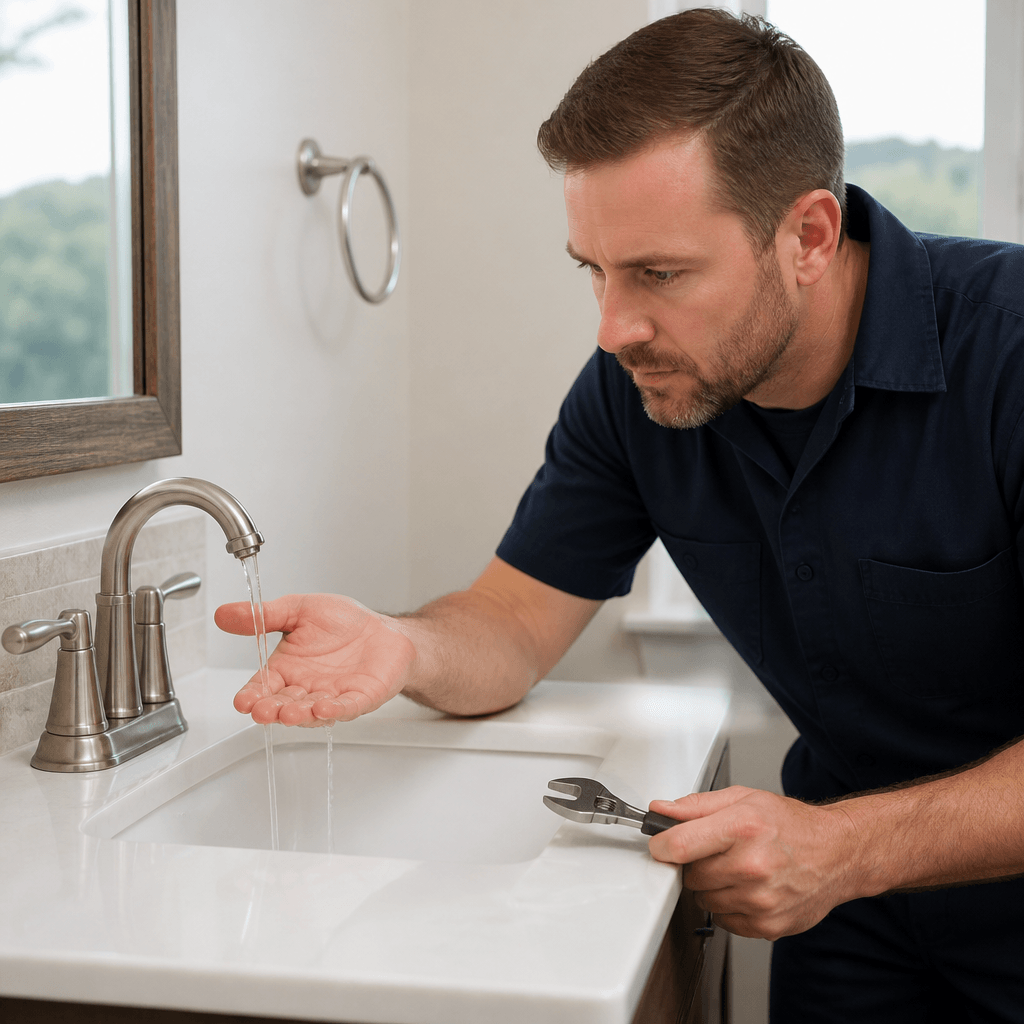
We often see that the first warning signs are easy to miss, like slow drains, damp spots, or a faucet that will not stop dripping. The sooner we act, the better chance we have to keep a repair simple and keep water damage from spreading. If a problem keeps returning, our emergency plumbing service can help address it before it gets worse.
Fall is a smart time to pay closer attention to plumbing because homes start using more water as routines shift indoors. Even a minor clog or weak connection can become a bigger issue when pipes are under constant use. With a few steady habits, we can lower the chance of sudden damage and stay ahead of unexpected repairs.
How We Prevent Plumbing Emergencies
The best way to reduce plumbing trouble is to look for early warning signs and handle them right away. Routine checks around sinks, toilets, water heaters, and exposed pipes can reveal small concerns before they turn into leaks or backups. We also know that clogs, worn seals, and loose fittings often show up long before a real emergency begins.
Good prevention also means treating drains and water lines with care every day. Grease, wipes, food scraps, and other debris can create buildup that slows flow and puts pressure on the system over time. When needed, our drain cleaning services can help remove stubborn buildup and keep water moving the way it should.
Step-by-Step Prevention Guide
🔍 Step 1: Check for Early Warning Signs
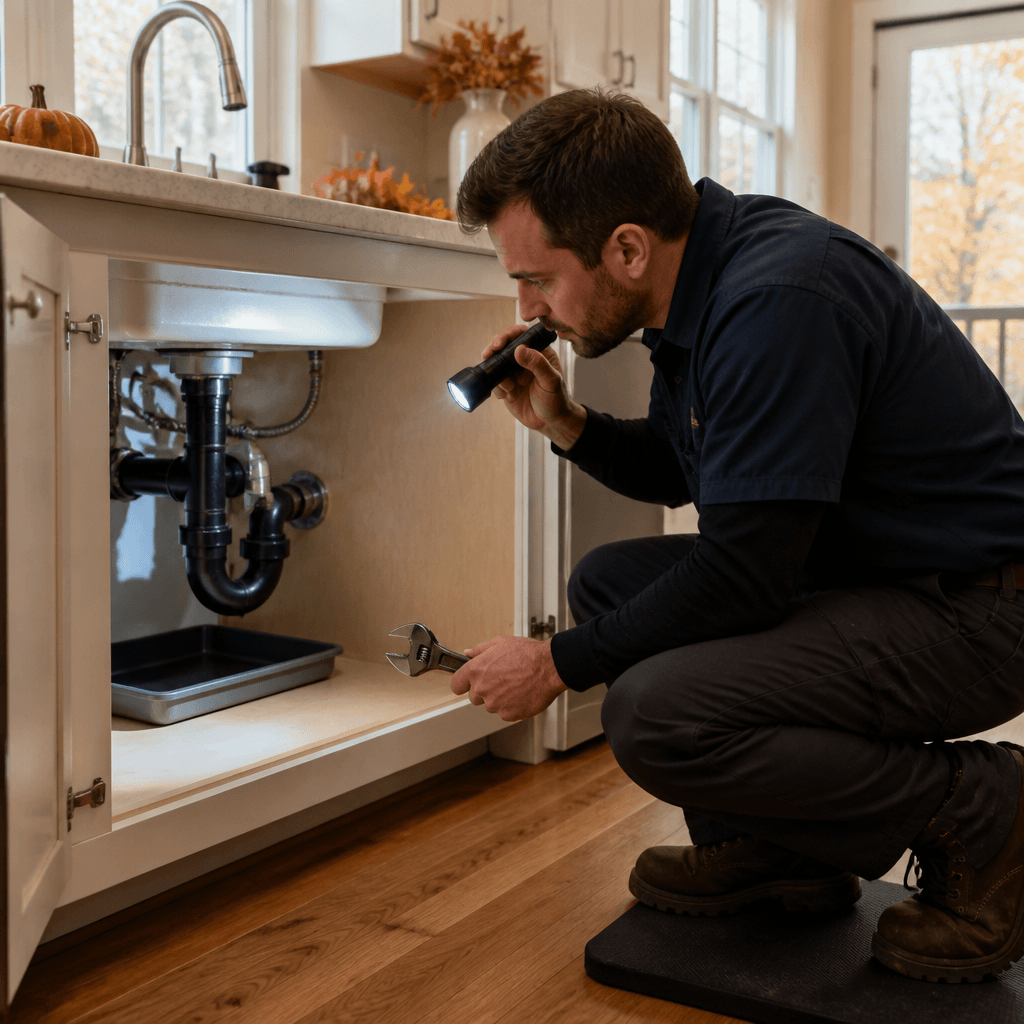
Look under sinks, around toilets, and near appliances for moisture, rust, or staining. These signs often show up before a larger leak or failure, so catching them early can save time and money.
🚿 Step 2: Test Drains for Slow Flow
Run water in sinks, tubs, and showers to see if it drains at a normal pace. Slow drainage often means buildup is forming, and that is one of the first signs that a backup may be coming.
🧼 Step 3: Keep Grease and Debris Out of Drains
Do not pour grease, coffee grounds, or food scraps down the sink, and avoid flushing wipes or other non-dissolving items. These materials can collect inside pipes and create clogs that are harder to clear later.
🧰 Step 4: Inspect Visible Pipes and Connections
Check exposed pipes for drips, corrosion, loose joints, or peeling wrap. Small problems at a connection point can lead to leaks, and they often get worse if left alone.
🌡️ Step 5: Protect Pipes During Cooler Nights
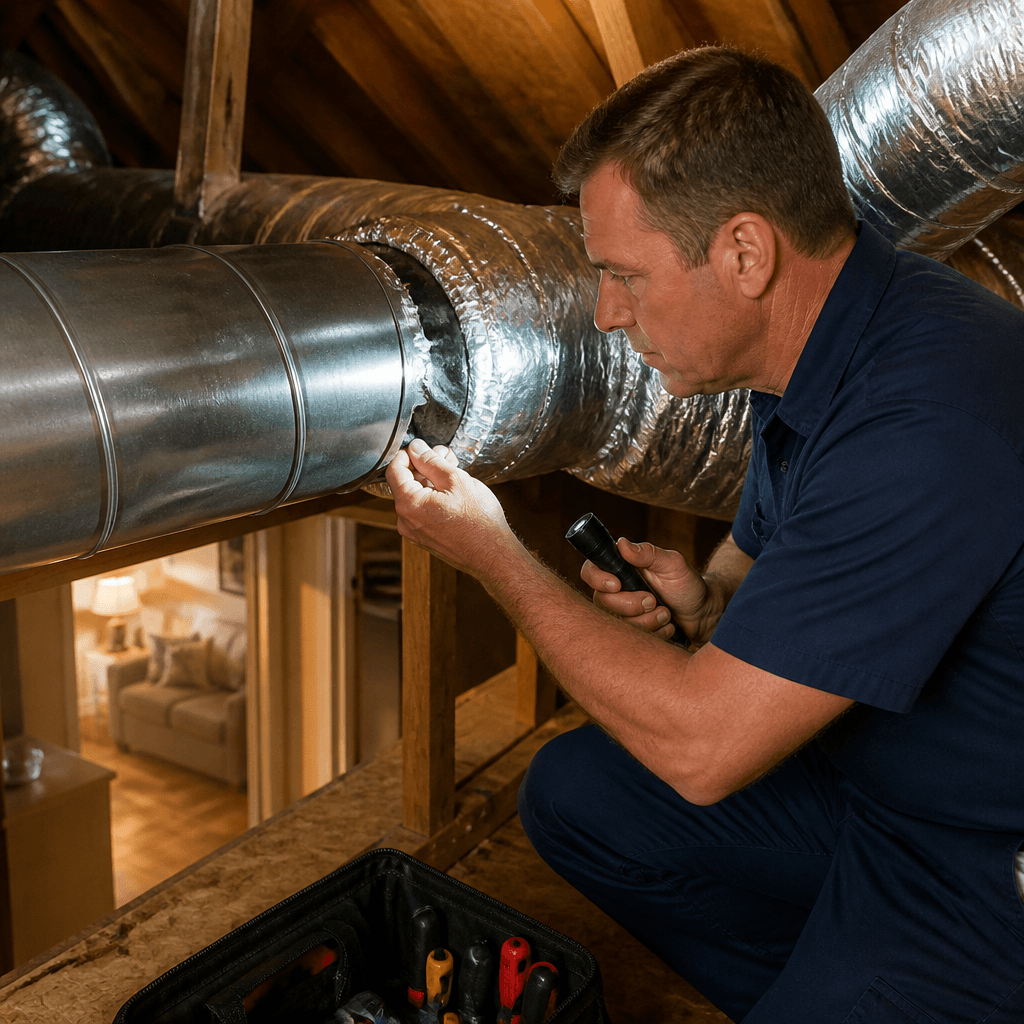
Even mild temperature drops can affect exposed plumbing in garages, attics, or outdoor spaces. Keeping vulnerable pipes insulated helps reduce the risk of cracks and stress when temperatures shift.
🚽 Step 6: Watch Toilet Performance Closely
A toilet that runs, refills too often, or gurgles after flushing may be showing a hidden issue. These problems can waste water and may point to a seal, valve, or drain concern that needs attention.
💧 Step 7: Pay Attention to Water Pressure Changes
Sudden drops or spikes in pressure can signal a hidden leak, mineral buildup, or a supply issue. Consistent pressure helps protect fixtures and pipes from extra wear.
📞 Step 8: Act Fast When a Problem Repeats
If the same leak, clog, or backup keeps coming back, it usually means the underlying issue was not fixed. Quick action helps prevent a small annoyance from becoming a full plumbing emergency.
Common DIY Mistakes to Avoid
Many plumbing problems get worse because small warning signs are ignored or handled the wrong way. People often mean well, but rushing through a fix can hide the real issue instead of solving it. These mistakes are easy to avoid once we know what to watch for and why they happen.
– ⚠️ Mistake 1: Ignoring Small Leaks
A tiny drip may seem harmless, but it can point to a worn seal, loose fitting, or failing part. People ignore it because it looks minor at first, but water damage can build quietly over time. The best way to prevent this is to check leaks right away and treat every drip as a warning.
– ❌ Mistake 2: Using Harsh Chemicals Too Often
Some people reach for chemical drain cleaners whenever water slows down. They do this because it feels like a fast fix, but repeated use can wear down pipes and still leave the clog in place. Safer prevention starts with better drain habits and a proper inspection of the cause.
– 🚫 Mistake 3: Flushing the Wrong Items
Wipes, paper towels, hygiene products, and other non-dissolving items can create clogs fast. This mistake usually happens because the items seem small enough to pass through, but they can collect inside pipes and cause backups. The fix is simple: only flush waste and toilet paper.
– ⚠️ Mistake 4: Skipping Pipe Checks in Hidden Areas
Many people only look at the fixtures they use every day and forget about garages, crawl spaces, or other hidden spots. That happens because those areas are easy to overlook, yet leaks there can spread before anyone notices. A regular walk-through helps catch trouble early.
– ❌ Mistake 5: Waiting Until the Problem Gets Bigger
A repeated clog or pressure change is often treated as a small annoyance instead of a real warning. This delay happens because the system may still seem to work, but hidden damage can keep growing. Acting early is the best way to prevent a surprise emergency.
Frequently Asked Questions
What are the best emergency plumbing prevention tips?
Yes, the best emergency plumbing prevention tips start with spotting leaks, clearing drains safely, and checking visible pipes often. These simple habits help catch small issues before they turn into major damage.
How often should we check our plumbing for problems?
Yes, we should check plumbing regularly, especially under sinks, around toilets, and near appliances. A monthly visual check is a smart habit because many plumbing issues show warning signs before they become urgent.
What causes most plumbing emergencies?
Yes, many plumbing emergencies come from clogs, leaks, worn parts, and hidden pipe damage. These problems often build slowly, which is why early prevention matters so much.
Can emergency plumbing prevention tips really save money?
Yes, emergency plumbing prevention tips can save money by helping us avoid water damage and larger repairs. Small fixes are usually far less costly than cleanup after a burst pipe or major backup.
When should we call a plumber instead of trying DIY?
Yes, we should call a plumber when a problem keeps coming back, gets worse quickly, or affects multiple fixtures. That usually means there is a deeper issue that DIY fixes will not fully solve.
Final Thoughts on Staying Ahead of Plumbing Issues
The smartest way to handle plumbing problems is to stay alert before they turn urgent. Simple checks, clean drains, and quick action on warning signs can protect a home from costly damage and stress. With the right habits, emergency plumbing prevention tips become part of a safer routine.
We always recommend taking small signs seriously, especially when they repeat or show up in more than one place. A little attention now can prevent a much bigger issue later, and that is especially true during the fall season in Fullerton. To keep up with our latest updates, follow us on social media.