• Why summer AC care matters: Small issues like dirty filters, blocked vents, and weak airflow can make your system work harder and raise your energy use.
• How to keep your AC running better: Simple steps like changing the filter, checking the thermostat, and clearing the outdoor unit can help your home stay cooler.
• Common mistakes to avoid: Skipping routine checks, ignoring strange sounds, and waiting too long for help can turn a small problem into a bigger repair.
Why Summer AC Care Matters
When Anaheim heat settles in, a weak cooling system can turn a normal day into a stressful one fast. Small AC problems often show up first as higher bills, uneven cooling, or a unit that runs too long. That is why AC maintenance tips for peak summer matter before the hottest days put extra strain on your system.
A well-kept system uses less energy and is more likely to keep your home comfortable during long afternoons. Dust buildup, clogged filters, and loose parts can all make your AC work harder than it should. If your system is already struggling, our AC services can help get it ready for the season.
The good news is that a few simple habits can make a real difference right away. You do not need to wait until the unit quits to pay attention to warning signs. Acting early can help you avoid breakdowns when you need cool air the most.
How To Keep Your AC Running Right
Start with the parts of your system that affect airflow and cooling speed the most. A clean filter, clear vents, and the right thermostat setting can all help your AC do its job more easily. These AC maintenance tips for peak summer are simple, but they support steady comfort when temperatures stay high.
It also helps to watch for signs that your system is not cycling the way it should. Short run times, warm spots in the house, or weak airflow can point to a problem that needs attention. Regular care and a quick response to changes can protect your system from extra wear.
Step-By-Step Summer AC Care
🧼 Step 1: Replace or Clean the Air Filter
Check the air filter first because it affects airflow and system strain. A dirty filter can block circulation and make the AC work harder than needed. Replace or clean it based on the type of filter and how much dust builds up in your home.
🌡️ Step 2: Set the Thermostat Correctly
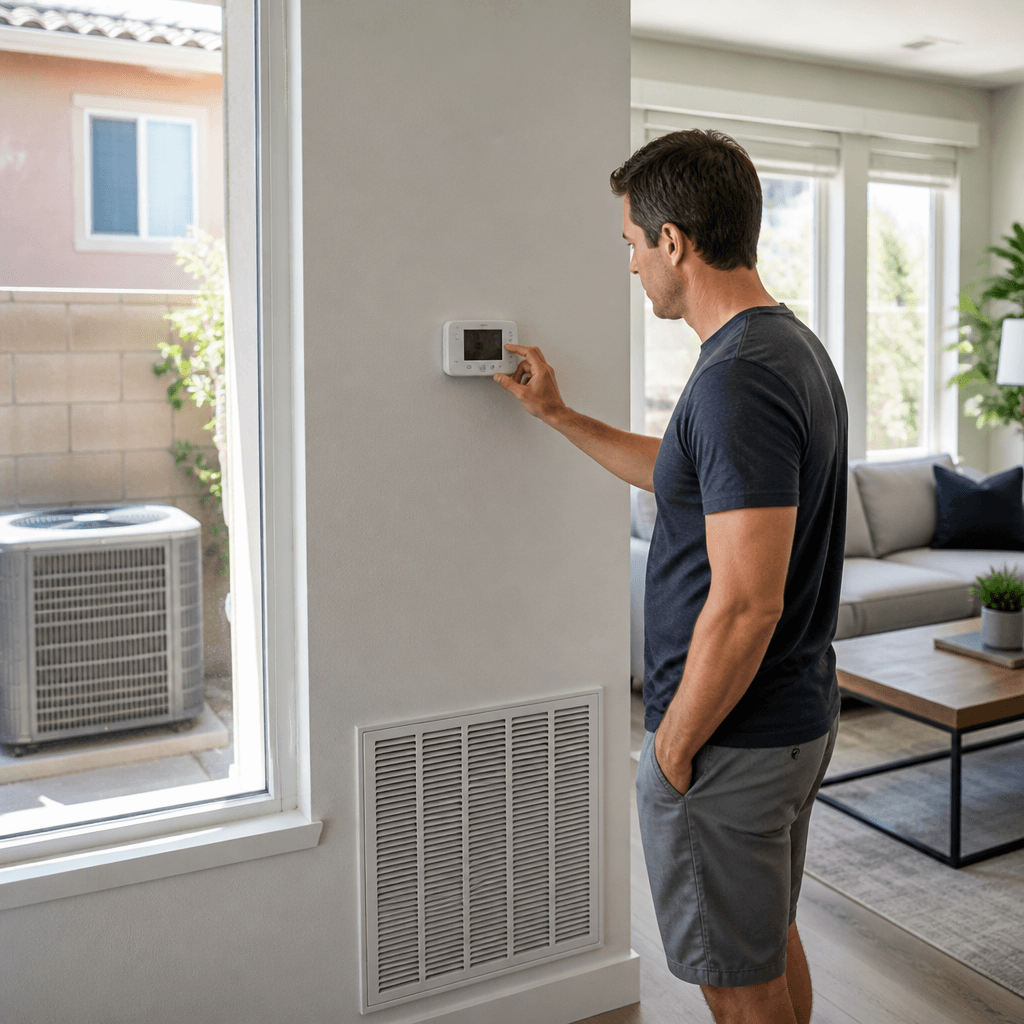
Keep the thermostat at a steady setting instead of changing it often throughout the day. Frequent swings can make the system cycle more than needed and use more energy. A consistent setting helps the AC cool your home in a smoother way.
🧹 Step 3: Clear Vents and Return Grilles
Make sure furniture, rugs, and curtains are not blocking supply vents or return grilles. Good airflow helps the system move cooled air through the house without added strain. This also helps each room stay more even in temperature.
🌿 Step 4: Keep the Outdoor Unit Clear
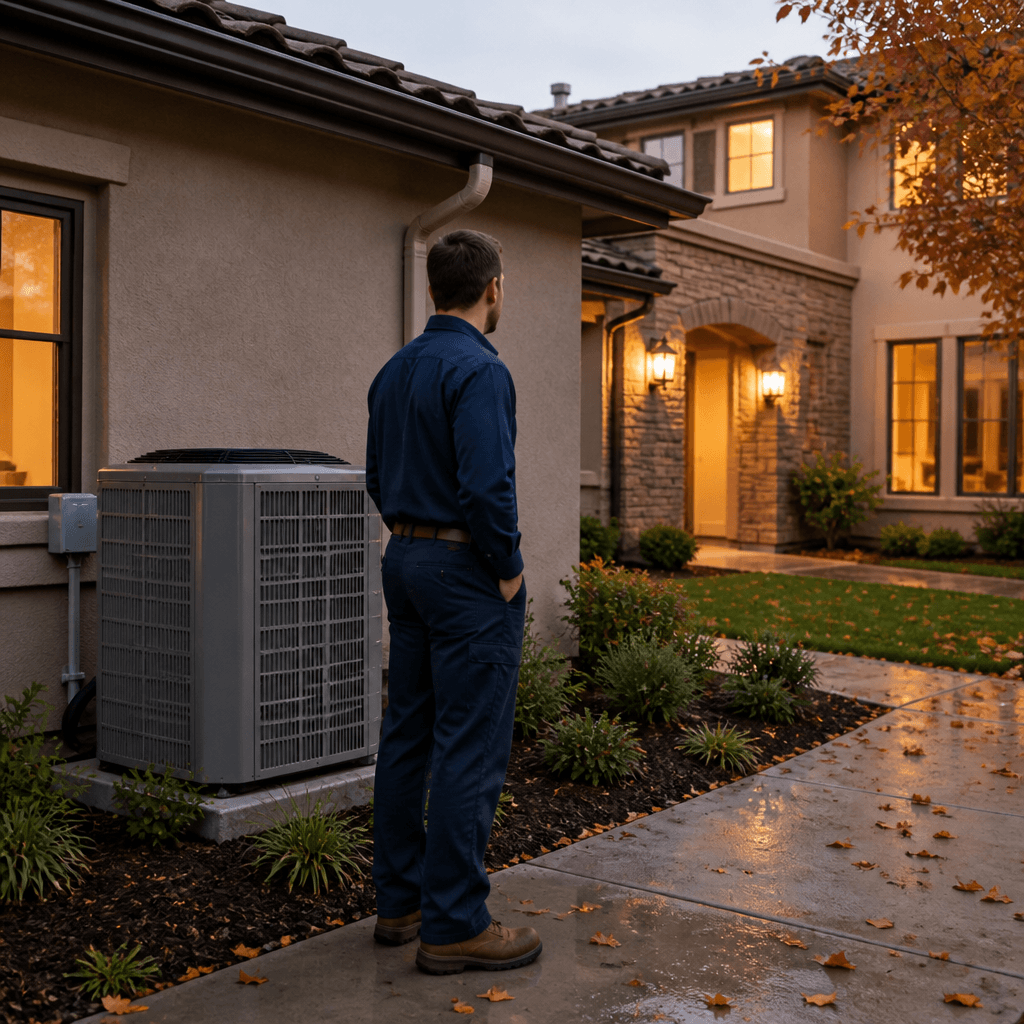
Remove leaves, dirt, and other debris from around the outside unit. The unit needs open space so it can release heat properly during operation. When airflow around it is blocked, the system can run longer and cool less effectively.
🔍 Step 5: Watch for Strange Sounds or Smells
Listen for rattling, grinding, or buzzing sounds that are not normal for your system. Pay attention to musty or burning odors, since those can point to issues that should not be ignored. Catching these signs early can help prevent bigger repairs later.
📝 Step 6: Check for Uneven Cooling
Walk through the home and notice whether some rooms feel much warmer than others. Uneven cooling can point to duct issues, thermostat problems, or airflow trouble. Knowing where the problem shows up can make it easier to address.
📆 Step 7: Schedule a Seasonal Tune-Up
Have the system checked before it has to work its hardest in the hottest stretch of the year. A seasonal visit can uncover worn parts, loose connections, and dirty components that affect performance. This is one of the most useful AC maintenance tips for peak summer because it helps prevent surprise failures.
💧 Step 8: Keep an Eye on Humidity and Drainage
Make sure the system is removing moisture the way it should and that drain lines are not blocked. Too much indoor moisture can make the home feel warmer and less comfortable. Good drainage also helps prevent water buildup around the unit.
Common DIY Mistakes To Avoid
Many people try to handle summer AC care on their own, but small oversights can lead to bigger problems. The most common issues usually come from rushing through the basics or missing warning signs. Knowing what to avoid can save time, money, and frustration.
⚠️ Mistake 1: Forgetting the Air Filter
This happens when people focus on larger parts of the system and skip the filter check. A clogged filter reduces airflow and makes the AC work harder, which can hurt comfort and efficiency. Prevent it by checking the filter on a regular schedule and replacing it when it looks dirty.
❌ Mistake 2: Setting the Thermostat Too Low
This usually happens when someone wants the home to cool faster, but the system does not work that way. Setting it much lower than needed can keep the unit running too long without solving the real issue. Prevent it by using a steady, reasonable setting and giving the system time to cool the home evenly.
🚫 Mistake 3: Blocking Air Vents
Furniture, boxes, and thick curtains often end up in front of vents without people noticing. That blocks airflow and can create hot and cold spots around the house. Prevent it by checking every room and keeping vents open and clear.
⚠️ Mistake 4: Ignoring Outdoor Debris
Leaves, dirt, and yard waste can build up around the outside unit during the summer. This happens because the unit sits outdoors and picks up debris over time. Prevent it by keeping the area around the unit clean and open so it can breathe properly.
❌ Mistake 5: Waiting Too Long To Address Warning Signs
Some homeowners hear odd noises or notice weak cooling but keep using the system as if nothing is wrong. That delay can turn a small issue into a larger repair, especially during heavy summer use. Prevent it by paying attention to changes early and getting help before the system gets worse.
Frequently Asked Questions
How often should I change my AC filter in summer?
Yes, you should check it often and change it when it looks dirty or clogged. Many homes need a new filter every 1 to 3 months, but heavier use can mean more frequent changes. A clean filter supports better airflow and steadier cooling.
What are the best AC maintenance tips for peak summer?
Yes, the best AC maintenance tips for peak summer start with clean filters, clear vents, and a properly set thermostat. You should also keep the outdoor unit free of debris and watch for unusual noises or weak airflow. These simple steps help your system stay reliable when it works hardest.
Why is my AC running but not cooling well?
Yes, that can happen when airflow is blocked, the filter is dirty, or the system needs service. Low refrigerant, dirty coils, or thermostat issues can also affect cooling performance. The sooner you check it, the easier it is to stop the problem from growing.
Should I cover my outdoor AC unit in summer?
No, you should not cover it while it is in use. The outdoor unit needs open airflow to release heat properly, and a cover can trap heat and block ventilation. Keep the area around it clear instead.
How can I make my AC last longer during hot weather?
Yes, regular care can help your AC last longer during hot weather. Clean filters, steady thermostat use, and prompt attention to unusual signs all reduce strain on the system. Seasonal service also helps catch small problems before they turn into bigger repairs.
Stay Ready For The Heat
Keeping up with summer AC care can make a big difference in comfort, energy use, and system life. The best results come from small, steady habits that help your unit run the way it should during Anaheim’s hottest days. When you stay ahead of problems, you give your home a better chance to stay cool all season.
If your system needs attention or you want help before the heat gets worse, we are ready to help. We take pride in helping local homeowners protect their comfort and avoid avoidable breakdowns. For updates and helpful home care posts, follow us on social media.