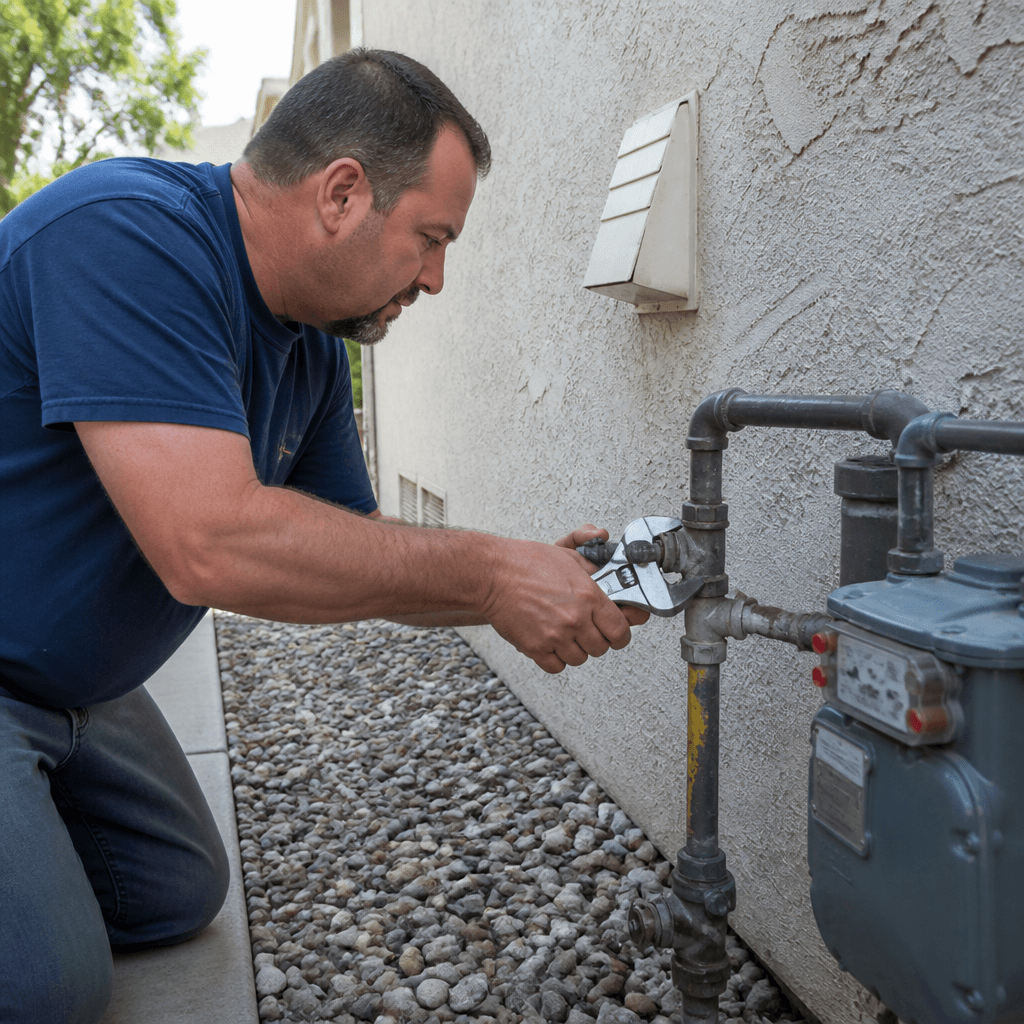
• Gas line problems can move fast, so homeowners should know the warning signs before a small issue becomes a serious safety risk.
• A safe gas line check starts with spotting odors, sounds, and appliance issues, then calling a licensed professional for testing and repair.
• Knowing what to avoid during a DIY attempt can protect your home, reduce damage, and help you make the right next step quickly.
Why Gas Lines Matter for Home Safety
When gas lines are working the way they should, your home feels safe, steady, and ready for daily use. When something goes wrong, the problem can move fast and affect your comfort, your appliances, and your peace of mind. That is why gas line services for homeowners explained matters for families in Orange, especially during the summer months when more homes are running appliances and outdoor equipment. We want homeowners to know what warning signs to watch for before a small issue turns into a bigger one.
Gas line concerns are not something to put off until later because even a small leak can create serious risk inside or outside the home. Strange smells, weak appliance performance, and hissing sounds can all point to trouble that needs attention right away. If you are unsure what to look for, our gas line services can help you understand the next safe step. The sooner you act, the easier it is to protect your home and everyone in it.
In Orange, summer heat can make homeowners rely more on systems that use gas, which makes safe operation even more important. Outdoor cooking, water heating, and other daily tasks can put pressure on older lines or parts that have not been checked in a while. A quick response now can help avoid damage, wasted energy, and stress later. We believe every homeowner should know the basics so they can make smart choices before a problem grows.
How Gas Line Service Works
Gas line service starts with a careful look at the line, the connected appliances, and any signs that something is not right. We check for visible damage, loose fittings, corrosion, and clues that may point to a leak or blockage. This step matters because it helps us find the real issue instead of guessing.
After the inspection, the next step is deciding whether the line needs repair, adjustment, or replacement. Some problems are caused by worn parts, while others come from aging materials or past work that did not hold up well over time. To keep the process safe, we use proven methods and follow the proper steps for homes that need gas line services for homeowners explained in plain language. If a line is unsafe, it should not be used until the problem is handled correctly.
Step-by-Step Gas Line Safety Guide
🧭 Step 1: Notice the warning signs
Start by paying attention to smells, sounds, and appliance performance. A gas leak can sometimes show up as a rotten egg odor, a faint hissing sound, or a burner that will not work the way it should.
📍 Step 2: Check the area carefully
Look around the appliance, visible piping, and nearby spaces for damage or loose connections. This helps you spot a problem early and decide whether the issue may be inside or outside the home.
🚫 Step 3: Stop using the affected appliance
Do not keep running a stove, heater, or other gas appliance if you suspect a problem. Shutting it down reduces risk and keeps the issue from getting worse.
📞 Step 4: Contact a licensed professional
A trained technician can inspect the line safely and find the source of the problem. This step matters because gas systems should be handled by someone who knows how to test and repair them the right way.
🔧 Step 5: Let the system be tested
Pressure checks and leak checks help confirm whether the line is safe to use. These tests are important because gas issues are not always easy to see just by looking.
🛠️ Step 6: Make the needed repair or replacement
If the line is damaged, it may need a fitting repair, a section replacement, or a full update. The right fix depends on the age of the line, the condition of the material, and the type of damage found.
✅ Step 7: Confirm everything is working safely
After the work is finished, the system should be checked again before normal use resumes. This final step helps make sure the line, appliances, and connections are all operating as they should.
Common DIY Mistakes to Avoid
Many homeowners want to save time by handling gas line concerns on their own, but that can create more risk than relief. Small errors can turn a minor issue into a dangerous one, especially if the problem is not fully understood. The best way to avoid trouble is to know which mistakes cause the most harm and stop them before they happen.
- ⚠️ Mistake 1: Ignoring the warning signs
This happens when people brush off odors, sounds, or appliance issues because they seem minor. It usually occurs when the signs come and go, but gas problems can still be active even if they are not constant. Prevent it by taking every warning sign seriously and treating it as a safety issue. - ❌ Mistake 2: Using the appliance after a suspected leak
Some homeowners keep cooking or running equipment because they want to avoid interruption. This usually happens when the issue feels small or the person hopes it will go away. Prevent it by stopping use right away until the system has been checked. - ⚠️ Mistake 3: Focusing only on the visible pipe
A leak or failure is not always at the part you can see, which is why this mistake is so common. People often assume the problem must be near the appliance and miss hidden trouble. Prevent it by checking the full area and letting a professional test the line if needed. - 🚫 Mistake 4: Trying to fix fittings without the right training
This happens when homeowners think a simple twist or seal will solve the issue. Gas systems need careful handling, and the wrong repair can make the problem worse. Prevent it by leaving repairs to licensed professionals who know how to work safely with gas lines. - ⚠️ Mistake 5: Skipping the final safety check
Some people assume the job is done once the repair is made, but that leaves room for hidden problems. This often happens when the goal is to finish quickly instead of confirming the result. Prevent it by making sure the line is tested before normal use starts again.
Frequently Asked Questions
What are the most common signs of a gas line problem?
Yes, the most common signs include a rotten egg smell, a hissing sound, and appliances that do not work as they should. You may also notice weak flames, higher bills, or dead vegetation near an outdoor line.
Is it safe to check a gas line problem myself?
No, it is not safe to inspect or repair a gas line on your own if you suspect a leak or damage. The safest move is to leave the area and contact a licensed professional who can test the system properly.
How often should homeowners have gas lines checked?
Yes, homeowners should have gas lines checked anytime they notice a warning sign or after damage to the home. It is also smart to have them reviewed during routine home maintenance, especially if the system is older.
Can summer heat affect gas lines in Orange?
Yes, summer heat can add stress to outdoor equipment and exposed parts, especially if a line is aging or already damaged. In Orange, homeowners should stay alert during the hotter months because heavy seasonal use can make small problems show up faster.
What should I do if I suspect a gas leak?
Yes, you should leave the area, avoid using switches or appliances, and call for help right away. Do not try to find the leak yourself, because safety comes first and the right response can prevent serious danger.
Safe Next Steps for Homeowners
Gas line care is one of those home issues that should never be put on the back burner. When you know what to look for, what to avoid, and when to call for help, you can protect your home with confidence. That is especially important in Orange during summer, when daily use and seasonal demand can put more pressure on gas systems.
We believe homeowners deserve clear answers and safe solutions when a gas line issue comes up. A careful inspection, the right repair, and a final safety check all work together to keep the home running the way it should. If you want to stay connected with our team, you can follow us on Facebook.