• Learn the biggest reasons indoor air gets stale, dusty, or damp at home, especially when the weather keeps us indoors more often.
• Follow simple steps to improve airflow, reduce dust, control humidity, and keep your HVAC system working the way it should.
• Avoid common DIY mistakes and get clear answers to the most searched questions about how to improve indoor air quality at home.
Why clean indoor air matters at home
When the air inside our home feels stale, dusty, or damp, it can quickly affect how we feel each day. In Fullerton, fall weather can bring shifts in temperature and more time spent indoors, which makes clean air feel even more important. If we wait too long, small issues can pile up and make the air harder to breathe. That is why learning how to improve indoor air quality at home should not be put off.
Poor indoor air can come from dust, pet dander, cooking, mold, and weak airflow. These problems can build up quietly, especially when windows stay closed for longer stretches of time. Our indoor air quality services can help address the sources that affect comfort and air flow. Acting early gives us a better chance to keep the home cleaner and easier to live in.
The good news is that many air problems can be improved with simple daily habits and the right HVAC care. We do not need to guess where to start when we focus on the most common trouble spots first. Small changes can make a real difference in how fresh a home feels from room to room. The sooner we begin, the easier it is to keep indoor air moving in the right direction.
Simple fixes that make a real difference
The best results usually come from a mix of cleaning, airflow, and moisture control. When we handle all three, we give our home a stronger defense against dust, odors, and trapped humidity. That matters even more in fall, when indoor spaces often stay closed up for longer periods. A practical plan works better than trying one quick fix and hoping it solves everything.
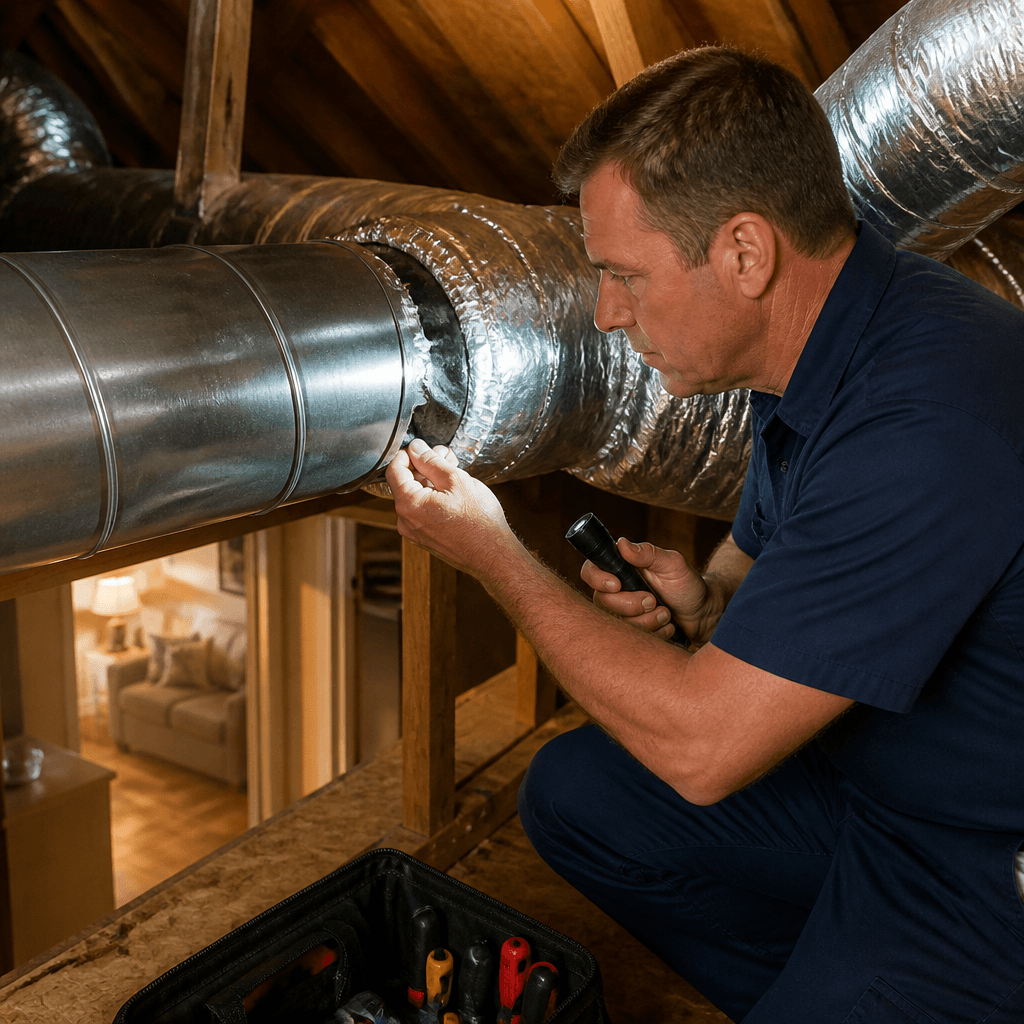
We also need to pay attention to the system that moves air through the house. A filter that is clogged or a vent that is blocked can make it harder for the whole home to breathe well. Regular care supports comfort and helps the air stay cleaner over time. With the right approach, how to improve indoor air quality at home becomes a simple process instead of a guessing game.
Steps to improve indoor air quality
📝 Step 1: Check the biggest trouble spots
Start by looking for dust, odors, damp areas, and rooms that feel stuffy. These are often the first signs that indoor air needs attention. A quick check helps us focus on the places that matter most.
🧹 Step 2: Clean surfaces that collect dust
Wipe shelves, baseboards, fans, and vents on a regular schedule. Dust can settle fast and move back into the air when surfaces are disturbed. Keeping these areas clean lowers what circulates through the home.
🔄 Step 3: Replace HVAC filters on time
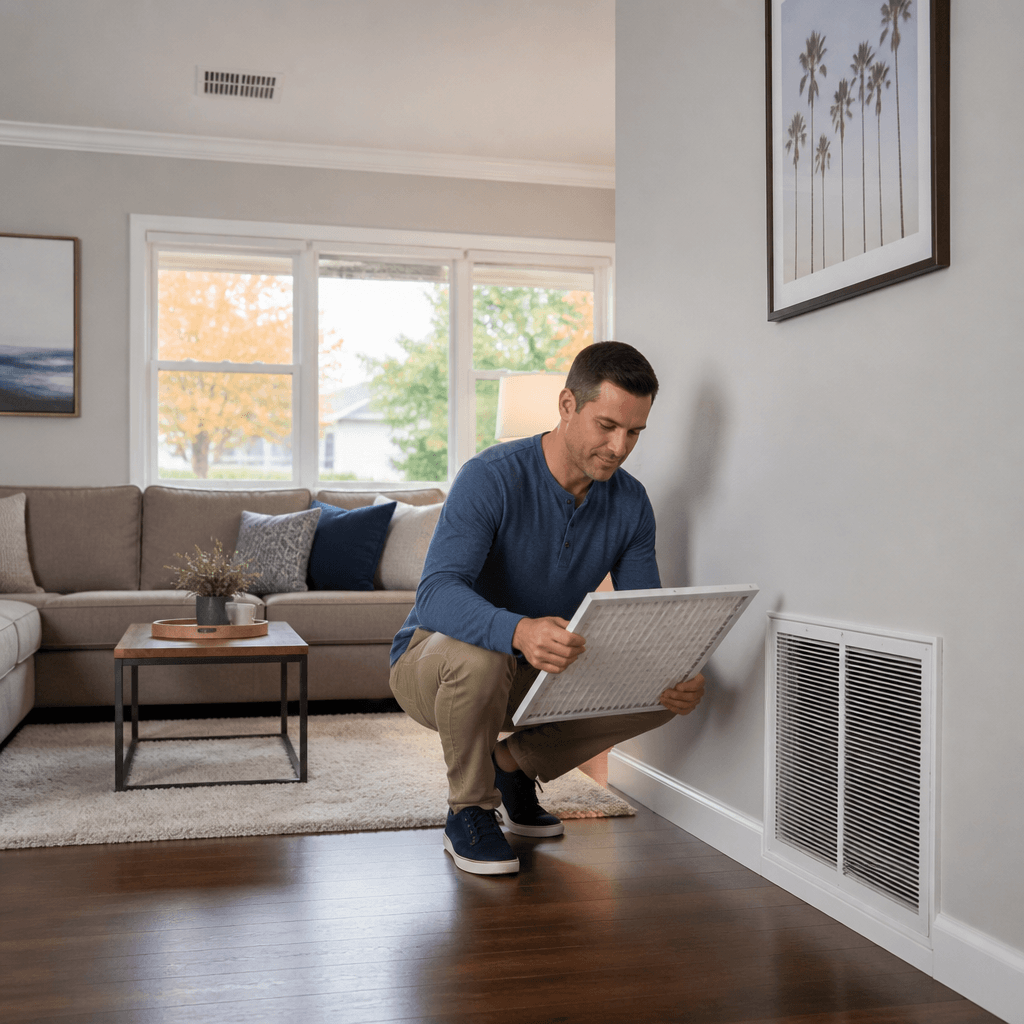
A clean filter helps trap airborne particles before they spread through the house. When filters get clogged, airflow can slow down and indoor air may feel stale. Checking them often is one of the easiest ways to support better air quality.
🌬️ Step 4: Improve airflow in closed rooms
Open doors between rooms when possible so air can move more freely. Stagnant air can allow odors and particles to linger longer than they should. Better circulation helps the whole home feel fresher.
💧 Step 5: Control indoor humidity
Keep moisture levels in a healthy range so mold and mildew have less chance to grow. Too much humidity can make air feel heavy and uncomfortable, especially in areas with poor ventilation. Balanced moisture is a key part of indoor comfort.
🛠️ Step 6: Seal up sources of unwanted air
Check for gaps around doors, windows, and other openings where outdoor air or dust can sneak in. Small leaks can let in pollen, dirt, and hot or cold air that affects comfort. Sealing these areas helps the home stay more stable.
🚿 Step 7: Limit moisture in kitchens and bathrooms
Run exhaust fans during and after cooking or showering. These rooms often create the most steam and trapped humidity inside the home. Removing extra moisture right away helps prevent odor and buildup.
📅 Step 8: Schedule regular HVAC care
Have the system inspected so airflow, filtration, and related parts stay in good working shape. A well-maintained system is better at moving clean air through the home. This also helps us catch problems before they grow into bigger ones.
Mistakes that can hurt your results
Many homeowners try to fix air quality with one small change and expect it to solve everything. That usually happens because the problem is spread across dust, airflow, and moisture at the same time. The best way to avoid frustration is to follow each step in order and keep the work consistent.
Another issue is that people often overlook the HVAC system itself. If the filter is clogged or airflow is weak, cleaning alone will not be enough. Staying on schedule with maintenance helps the rest of the plan work the way it should.
- ⚠️ Mistake 1: Ignoring dusty surfaces
This happens when dust buildup does not seem urgent, so it gets pushed aside. The problem is that dust keeps moving back into the air every time someone walks by or uses a fan. We can prevent this by cleaning the surfaces that collect the most buildup on a regular basis. - ⚠️ Mistake 2: Forgetting to replace filters
This often happens because filters are out of sight and easy to overlook. A clogged filter can reduce airflow and let more particles stay in the home. Setting a reminder helps us keep replacement on track. - ⚠️ Mistake 3: Blocking airflow with closed rooms
This usually happens when doors stay shut for privacy or comfort. Closed spaces can trap stale air and make the whole home feel less fresh. Leaving doors open when possible helps air move more naturally. - ⚠️ Mistake 4: Letting moisture build up
This happens when fans are not used long enough after showers or cooking. Extra moisture can lead to damp smells and create conditions that are harder to manage. We can prevent this by venting steam right away and watching humid areas closely. - ⚠️ Mistake 5: Skipping system care
This often happens when the home feels fine on the surface, so maintenance gets delayed. Even then, hidden airflow issues can keep indoor air from improving. Regular HVAC checks help keep the full system working as intended.
FAQs about cleaner indoor air
How to improve indoor air quality at home?
Yes, how to improve indoor air quality at home starts with three basics: cleaner surfaces, better airflow, and moisture control. Replacing filters and keeping vents clear also makes a strong difference. These steps work best when done together instead of one at a time.
What causes poor indoor air quality?
Yes, poor indoor air quality is often caused by dust, pet dander, cooking smoke, moisture, and weak ventilation. These issues can build up in closed rooms and spread through the house. Regular cleaning and system care help limit those sources.
How often should HVAC filters be changed?
Yes, HVAC filters should be checked often and changed based on use, household conditions, and the type of filter. Homes with pets, dust, or more frequent system use may need changes sooner. A fresh filter supports better airflow and cleaner indoor air.
Can humidity affect indoor air quality?
Yes, humidity can affect indoor air quality in a major way. Too much moisture can lead to dampness, odors, and conditions that support mold growth. Keeping humidity balanced helps the home feel cleaner and more comfortable.
What is the fastest way to make indoor air feel fresher?
Yes, the fastest way is to improve airflow, remove dust, and cut down on moisture right away. Opening rooms, cleaning key surfaces, and running exhaust fans can help quickly. These simple actions make the air feel lighter and more comfortable fast.
Bring cleaner air home with confidence
Improving the air inside our home does not have to feel complicated when we follow the right steps. The most effective results come from steady cleaning, better airflow, and regular attention to moisture and filters. When we stay on top of these habits, the home can feel more comfortable in every season.
Fall in Fullerton is a smart time to focus on indoor air because more time indoors often means more buildup inside the house. With a clear plan and the right care, we can take control of common air issues before they get worse. For more updates and helpful home care tips, follow us on social media.