• Slow drains, gurgling toilets, and bad odors are early signs that your sewer line may be blocked and needs quick attention.
• Check more than one drain, look outside for wet or soggy spots, and stop using water if backups begin to help limit damage.
• Knowing how to tell if your sewer line is blocked can help you act early, avoid a messy backup, and protect your home.
Why a Blocked Sewer Line Needs Fast Action
A sewer line problem can start small, then turn into a mess before you expect it. If you notice slow drains, odd smells, or toilets that do not flush right, it is time to pay attention. These warning signs often point to a bigger issue hiding in the line, and waiting can make cleanup harder and cost more. If you need help right away, our sewer line services are built to address these problems before they spread.
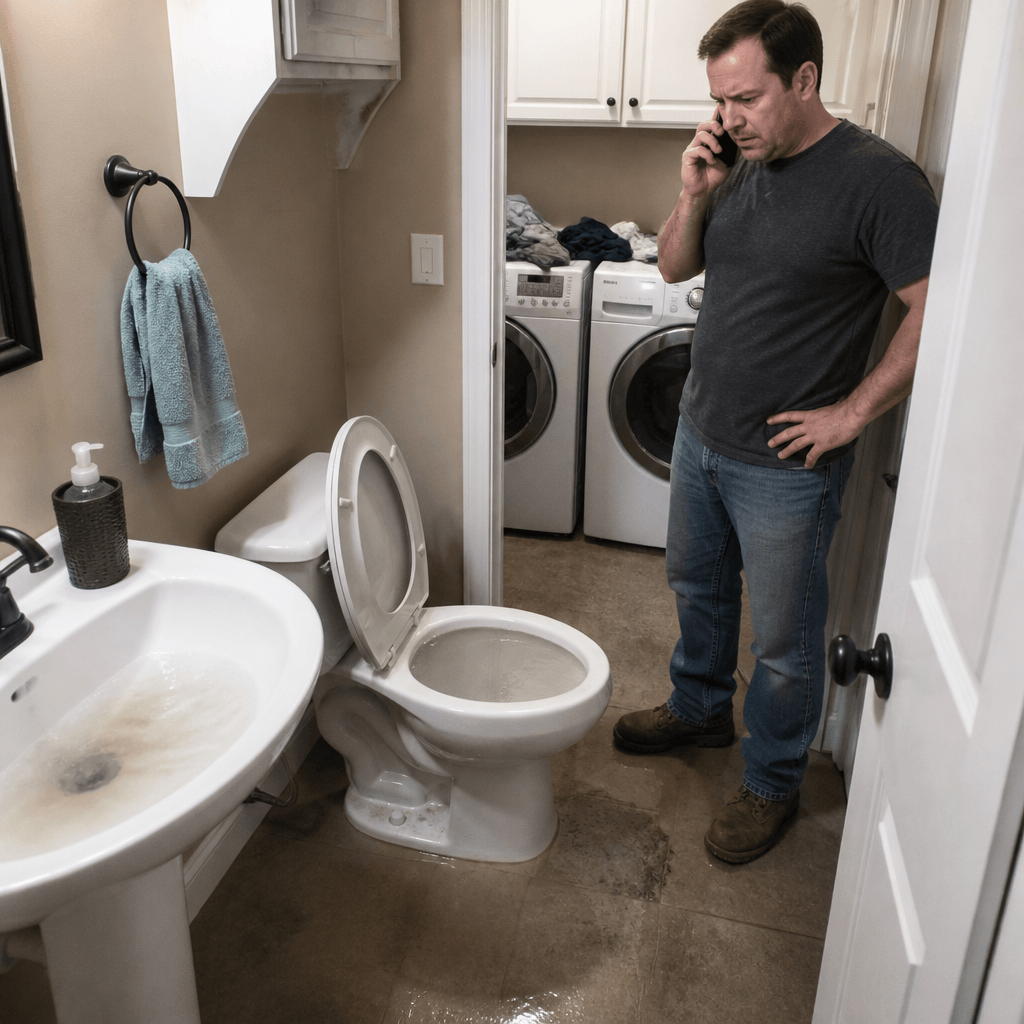
In Las Flores, fall is a good time to stay alert because cooler weather and more indoor water use can make plumbing issues easier to notice. A sewer line blockage can affect more than one drain, which means the trouble is not always limited to one fixture. When wastewater cannot move the way it should, it may back up into sinks, tubs, or toilets and create a stressful situation fast. Knowing how to tell if your sewer line is blocked can help you act before the problem grows.
The sooner you spot the signs, the better your chances of avoiding water damage and foul odors inside your home. Blockages can happen from buildup, tree roots, or items that should never go down the drain. Once the line starts to slow down, the symptoms usually get worse instead of better. That is why early action matters for both your home and your peace of mind.
What to Look for in Your Drains
A sewer line blockage usually affects more than one drain at the same time. If your sinks, shower, and toilet all start acting up together, the issue may be deeper than a single clog. Gurgling sounds, slow draining water, and sewer smells are all signs that deserve attention. These clues are often the first signs people notice when they are trying to figure out how to tell if your sewer line is blocked.
The problem can also show up outside the home in places that people overlook. Wet spots in the yard, patchy grass, or areas that smell bad near drain lines can point to a buried sewer issue. A blockage may keep waste and water from moving properly, which puts pressure on the pipe and the fixtures connected to it. When that happens, the problem will not clear up on its own.
How to Check for a Sewer Blockage
🔍 Step 1: Watch for Slow Drains
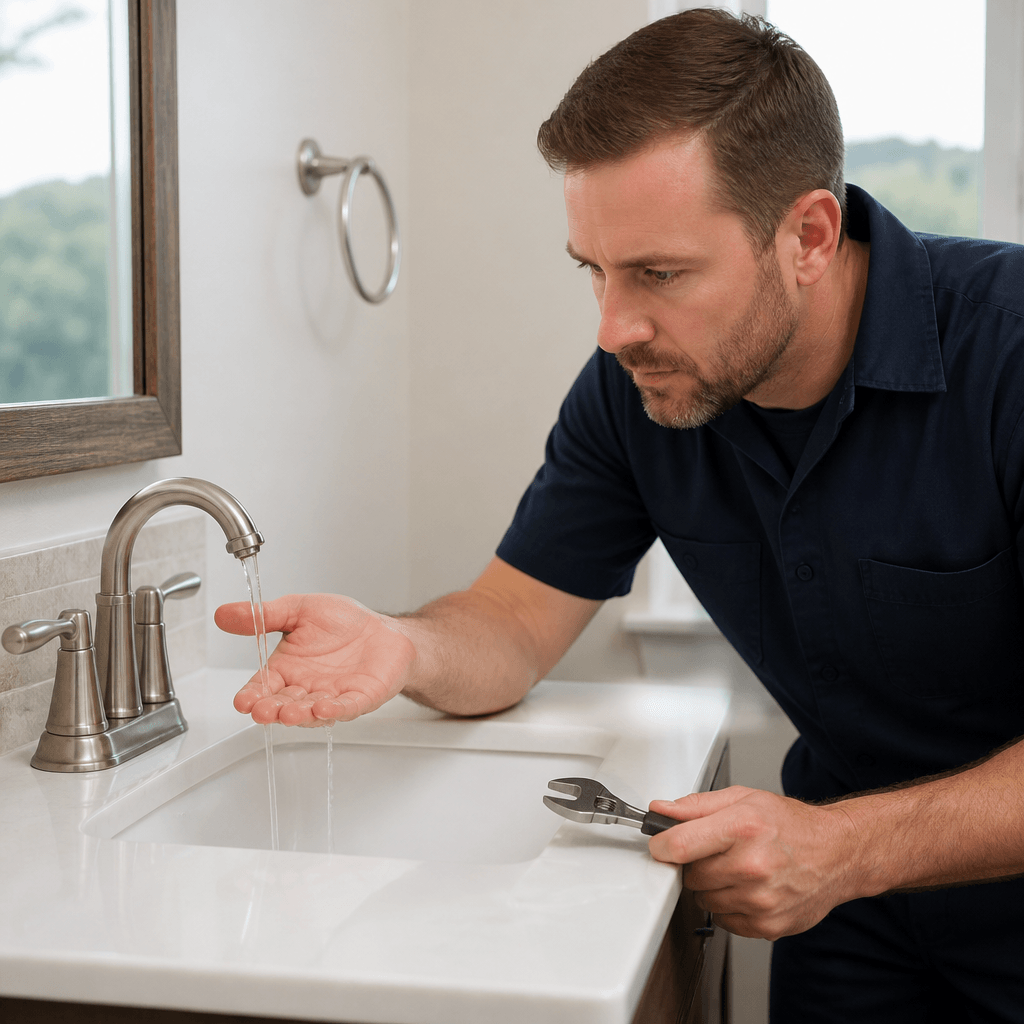
Check sinks, tubs, and showers for water that drains more slowly than usual. When several drains slow down at once, that often points to a larger line issue instead of a small fixture clog.
🚽 Step 2: Flush and Listen for Gurgling
Flush toilets and listen for bubbling or gurgling sounds from nearby drains. These sounds can mean air is trapped in the line because waste water is having trouble moving through the pipe.
👃 Step 3: Smell for Sewer Odors
Walk through bathrooms, laundry areas, and lower-level spaces and notice any strong sewer smell. A bad odor often means waste gases are escaping because the line is blocked or backed up.
💧 Step 4: Check for Backups in Multiple Fixtures
Run water in more than one fixture and watch for rising water or backup in another drain. If a sink gurgles when a toilet is flushed, the blockage may be in the main sewer line.
🌿 Step 5: Look Outside for Wet or Soggy Spots
Inspect the yard near the sewer path for damp soil, extra green patches, or small standing-water areas. These can happen when a buried pipe leaks or backs up under the surface.
🧻 Step 6: Watch for Toilet Level Changes
Look at the water level in toilets when they are not in use. A sewer line problem can cause the bowl level to rise, drop, or act uneven after flushing.
🚫 Step 7: Stop Using Water if Backup Starts
If water begins to come back up, stop running sinks, showers, and laundry right away. More water can push the backup farther and spread the mess to other parts of the home.
📞 Step 8: Call for a Professional Check
If the signs keep building, schedule a professional inspection as soon as possible. A trained plumber can find the blockage and clear the line the right way before the damage gets worse.
Common DIY Mistakes to Avoid
Many homeowners try to fix a sewer line issue on their own because the first signs seem simple. The trouble is that a main line problem usually sits deeper than a basic drain clog. If the wrong move is made early, the blockage can become harder to clear and the mess can spread.
It also helps to remember that sewer issues often show up in more than one place at once. That means the real problem is not always where the water is backing up. Paying attention to the full pattern of symptoms can save time and reduce damage.
- ⚠️ Mistake 1: Treating it like a single drain clog
This happens when people assume one slow sink means one small blockage. It often happens because the first symptom looks minor, but a main sewer line issue can affect the whole home. To prevent this, check every drain and toilet before deciding it is just one fixture. - ⚠️ Mistake 2: Ignoring gurgling sounds
Gurgling is easy to brush off, especially if the drains still work a little. It happens because air and water are fighting for space in the line, which can signal a bigger blockage. Prevent it by taking any repeated gurgling as an early warning sign. - ⚠️ Mistake 3: Using more water after a backup starts
People sometimes keep using sinks, showers, and laundry out of habit. That usually makes the backup worse because the line cannot move waste fast enough. The best prevention is to stop adding water as soon as the problem shows up. - ⚠️ Mistake 4: Skipping the outside check
A lot of DIY efforts stay inside the house and never look at the yard. This happens because outside signs are easy to miss, even though wet soil and bad odors can point to the sewer line itself. Prevent this by checking the ground near the sewer path when indoor symptoms appear. - ⚠️ Mistake 5: Waiting until sewage comes back up
Some homeowners do nothing until the issue becomes obvious and messy. That delay happens because early warning signs can seem small, but the blockage often gets worse over time. To avoid this, act on slow drains, smells, and gurgling before a full backup begins.
Frequently Asked Questions
What are the first signs of a blocked sewer line?
Yes, the first signs usually include slow drains, gurgling toilets, and bad odors coming from drains. You may also notice that several plumbing fixtures act up at the same time instead of just one. These early clues often mean the problem is in the main sewer line.
How do I know if it is a sewer line problem and not a drain clog?
Yes, a sewer line problem usually affects more than one drain or toilet. If sinks, tubs, and toilets all slow down together, the issue is likely deeper than a simple clog. That pattern is one of the clearest ways to tell if your sewer line is blocked.
Can a blocked sewer line cause bad smells in the house?
Yes, a blocked sewer line can cause strong sewer odors inside your home. Those smells often appear near drains, bathrooms, or lower areas where gases can escape more easily. If the smell keeps coming back, the line may need attention.
Should I keep using water if I think the sewer line is blocked?
No, you should stop using as much water as possible once you suspect a blockage. More water can force the backup to spread and make the problem worse. Cutting back right away can help limit damage until the line is checked.
How to tell if your sewer line is blocked before sewage backs up?
Yes, you can often spot the problem before a full backup happens by watching for slow drains, gurgling sounds, and toilet level changes. Outdoor signs like wet spots or extra green patches in the yard can also point to trouble. Acting on those early signs can help prevent a bigger mess.
Key Takeaways for Homeowners
A sewer line issue can start with small signs, but it can turn serious fast if it is ignored. Slow drains, bad smells, and gurgling fixtures are all reasons to pay attention and act early. Knowing what to look for helps you protect your home and avoid bigger damage.
When you see the warning signs, the safest move is to stop using water and have the line checked right away. That approach can save time, reduce stress, and help prevent a messy backup in your home. To keep up with our latest plumbing updates, follow us on social media.