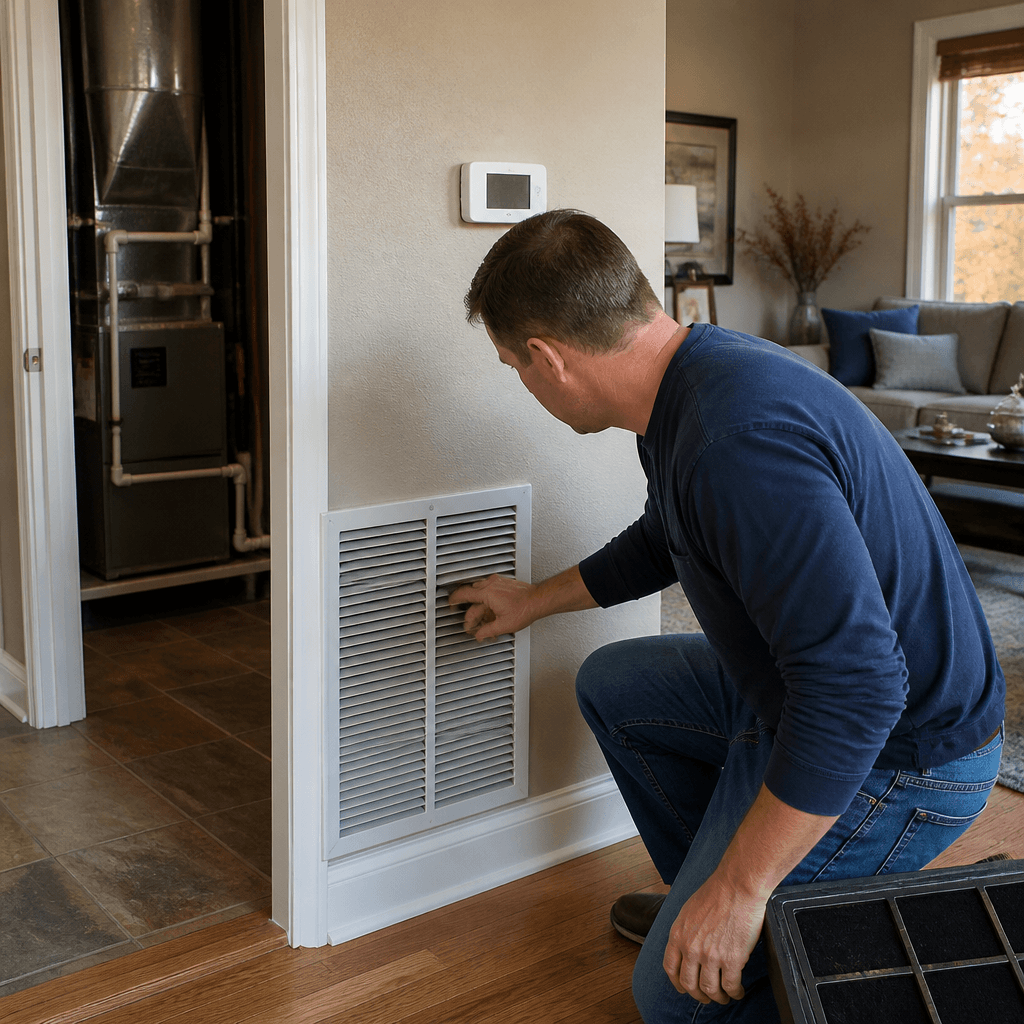
• Spot the main causes fast: This checklist breaks down the most common reasons indoor air gets worse, from dust and poor airflow to moisture and dirty HVAC parts. It helps Lake Forest homeowners quickly see what may be affecting comfort and health indoors.
• Know what to check first: The article gives simple steps you can follow right away to find warning signs like odors, stuffy rooms, and allergy flare-ups. It is built to help you narrow down what causes poor indoor air quality before it leads to bigger problems.
• Take action with confidence: You will also get practical advice for improving indoor air during fall, when homes are often closed up more tightly. The goal is to help you make smart fixes and know when to call for expert help.
Identify What Is Hurting Your Indoor Air
The main goal is to find what causes poor indoor air quality so you can take the right steps to fix it. When you know the source, it becomes easier to make your home feel safer and more comfortable.
In Lake Forest, fall weather can keep windows closed more often, which can trap dust, odors, and moisture inside. That is why checking your home’s air should be a key part of seasonal care, especially if you already notice stuffy rooms or more allergy symptoms.
Small changes can make a big difference, from improving airflow to checking your heating system and vents. If you need help with indoor air concerns, our indoor air quality services can help point you in the right direction.

Indoor Air Quality Checklist
Use this checklist to spot common problems that can affect your home’s air. A few small checks can help you find what causes poor indoor air quality before it turns into a bigger issue.
- ✅ Check for dust buildup around vents, registers, and return grilles
- ✅ Look for musty smells that may point to moisture or mold
- ✅ Change dirty HVAC filters on a regular schedule
- ✅ Make sure bathroom and kitchen fans are working well
- ✅ Watch for stuffy rooms that do not get enough airflow
- ✅ Check for leaks or damp areas near windows, sinks, and basements
- ✅ Pay attention to allergy symptoms that get worse indoors
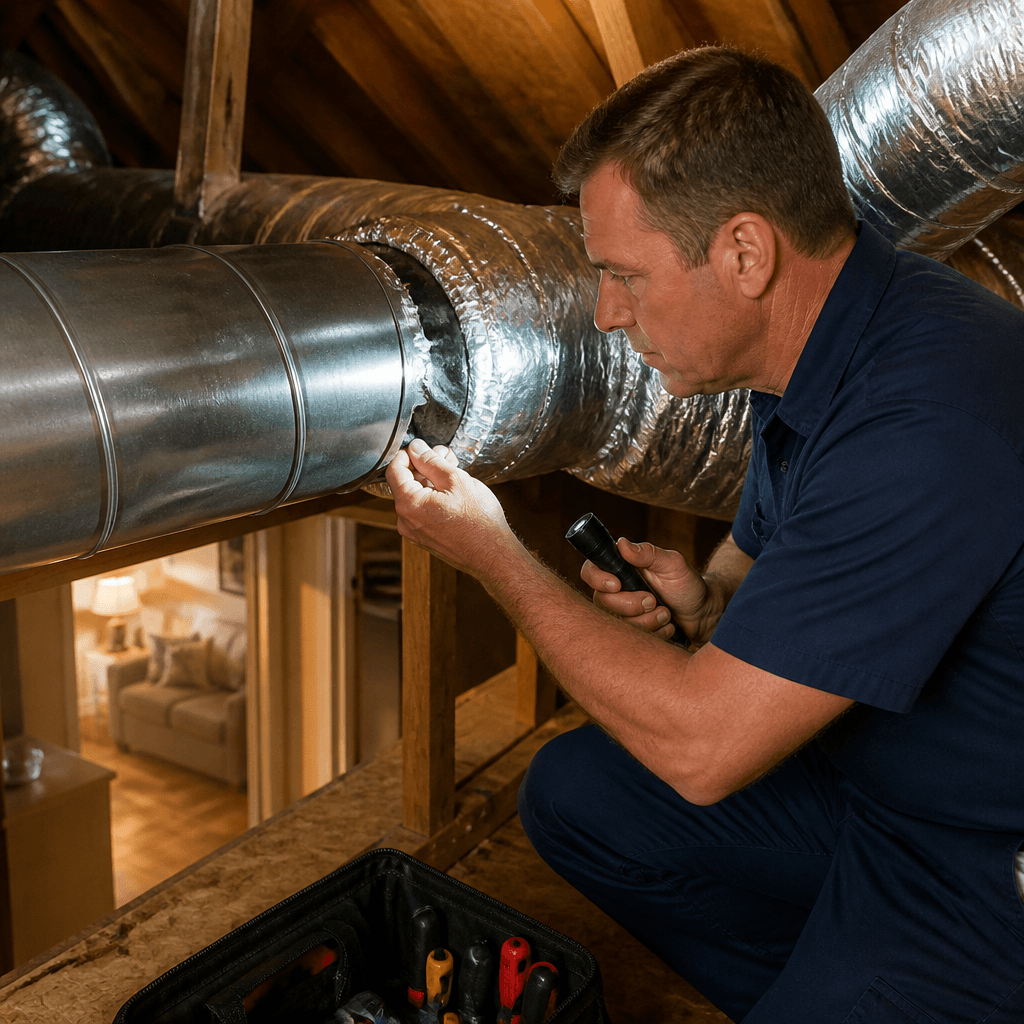
- ✅ Inspect your ductwork for dust, buildup, or signs of wear
Going through these steps can help you narrow down the most likely problem areas in your home. When you know where the issue starts, it is much easier to make the air feel cleaner and more comfortable.
Fall in Lake Forest is a good time to pay attention to closed-up rooms, extra dust, and moisture that can build up indoors. A careful check now can help keep your home more comfortable as the season changes.
Additional Advice
One of the best ways to deal with indoor air problems is to stay ahead of them before they grow. Regular HVAC care, cleaner filters, and better airflow can all help cut down on the conditions that lead to poor air inside the home.
It also helps to avoid common mistakes like ignoring small odors, letting dust collect for too long, or assuming the problem will go away on its own. If you want a deeper look at what causes poor indoor air quality, our indoor air quality solutions can help identify what may be affecting your home.
Moisture is another issue that many homeowners miss, especially in cooler months when windows stay shut more often. Even a small leak or damp spot can lead to bigger air concerns if it is not handled quickly.
For the best results, pay attention to changes in how your home feels and how your family breathes from room to room. Small warning signs often show up before bigger problems, and a timely check can save you stress later.
Frequently Asked Questions
What causes poor indoor air quality in a home?
Poor indoor air quality is often caused by dust, mold, pet dander, smoke, and weak ventilation. Dirty HVAC filters and moisture problems can also make the air feel stale or irritating.
How do I know if my indoor air quality is bad?
You can usually tell by common signs like musty smells, frequent allergies, dry eyes, or rooms that feel stuffy. If symptoms improve when you leave the house, indoor air may be part of the problem.
Can HVAC problems affect indoor air quality?
Yes, HVAC problems can directly affect indoor air quality. A clogged filter, dirty ducts, or poor airflow can spread dust and other particles through the home.
What is the fastest way to improve indoor air quality?
The fastest way is to replace dirty filters, remove excess dust, and improve airflow where possible. If moisture or mold is involved, that issue should be handled right away.
Why is indoor air quality often worse in fall?
Indoor air quality is often worse in fall because homes stay closed up more often, which traps dust and odors inside. In Lake Forest, cooler weather can also make moisture and ventilation issues easier to notice.
Final Thoughts on Cleaner Indoor Air
Keeping your home’s air in good shape starts with knowing the warning signs and taking them seriously. When you understand what causes poor indoor air quality, you can make smart choices that help your home feel cleaner and more comfortable.
Simple upkeep, better airflow, and quick attention to moisture problems all make a real difference over time. For more updates and helpful service news, follow us on social media.