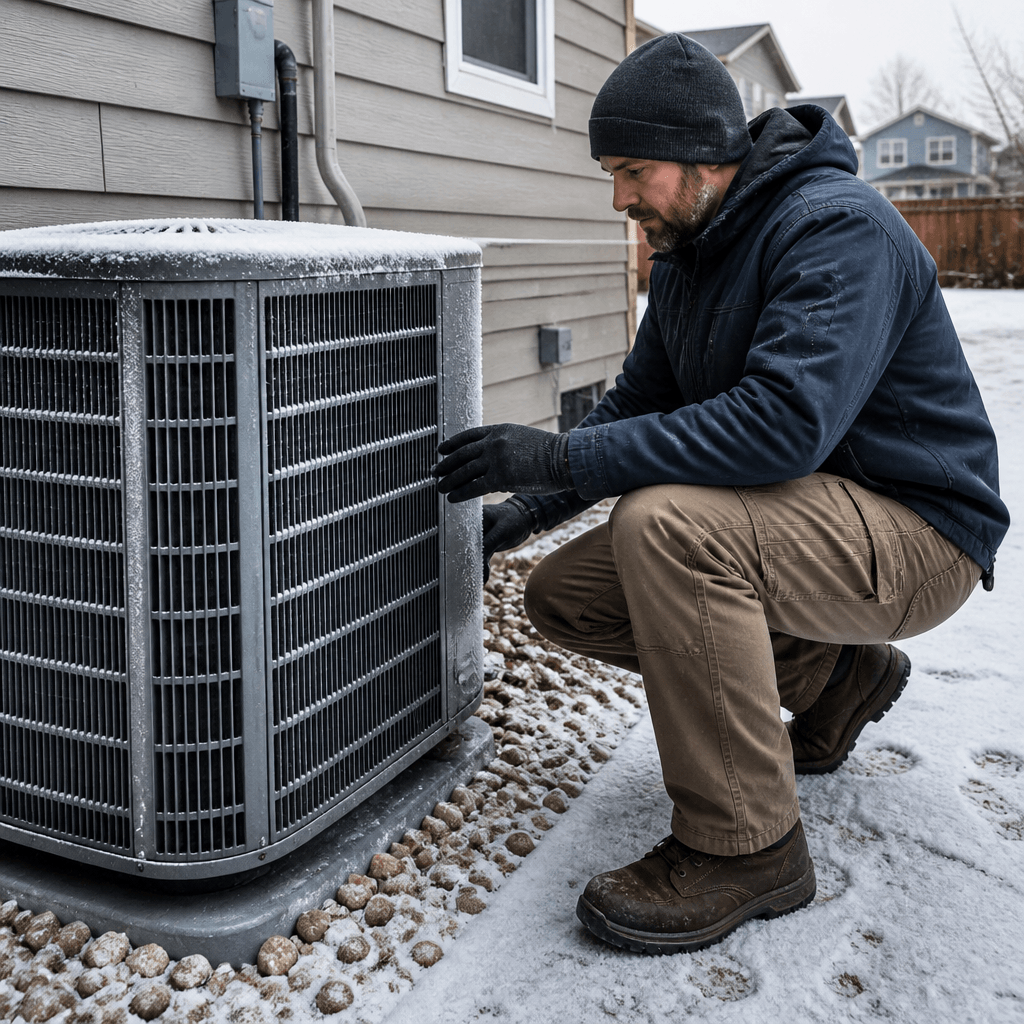
• Heat pumps can still warm your home in cold weather. They move heat from outdoor air into your home, and a few common issues like dirty filters, blocked outdoor units, or thermostat mistakes can make them seem less effective. Knowing the basics helps you spot normal winter behavior and real warning signs faster.
• Simple checks can improve performance before problems grow. A clear outdoor unit, clean air filter, and correct thermostat setting can make a big difference in how well the system heats. Watching for frost, short cycling, or weak airflow can help you catch trouble early.
• Some heat pump issues need professional service. If the system keeps icing up, runs too long, or still cannot keep your home comfortable after basic checks, it may need expert attention. Getting help early can prevent bigger repair issues and keep your home more comfortable through colder weather.
Why Cold Weather Changes Heat Pump Performance
When temperatures drop in Westminster, many homeowners start to notice changes in their comfort level right away. A system that worked fine in mild weather may suddenly seem slower, noisier, or less steady once the colder air moves in. That can make it hard to know if the unit is acting normally or if it needs attention. If you want help before the chill gets worse, our heating repair team is ready to step in.
Understanding how a heat pump works in cold weather helps you spot problems before they turn into a bigger headache. Heat pumps do not create heat the same way a furnace does, so they rely on outdoor air and the system’s parts working together just right. In cooler months, the unit may need to run longer to keep up with demand, which can make small issues more noticeable. That is why it matters to pay attention early instead of waiting for a full breakdown.
In fall, Westminster homes often start using heating more often, and that is when weak airflow, frost buildup, or short cycling can stand out. These signs may point to dirty coils, low refrigerant, or a thermostat setting that is not matching the season. When those problems are ignored, the system has to work harder and comfort drops fast. A quick check now can help avoid a stressful cold snap later.
How Heat Pumps Handle Cold Air
A heat pump works by moving heat from the outdoor air into your home, even when the air feels cold. There is still heat energy outside during winter, and the system is built to pull that energy in and transfer it indoors. As the temperature falls, the unit may need more time to do the job, which is normal to a point. This is why learning how a heat pump works in cold weather can help you tell the difference between normal operation and a real issue.
When the temperature drops below freezing, the system may switch into a defrost cycle to clear ice from the outdoor coil. That is a normal part of how the unit protects itself and keeps moving air and heat properly. If the cycle happens too often or the unit stays icy for long periods, there may be a problem with airflow, sensors, or installation. Our dual fuel HVAC services can also be a smart fit for homes that need extra help during colder weather.
Step-by-Step Guide to Better Heat Pump Use
🔎 Step 1: Check the Thermostat Setting
Make sure the thermostat is set to heat and the target temperature is higher than the current room temperature. A wrong mode setting or an overly low target can make the system seem weaker than it really is. This simple check helps rule out an easy fix before moving on to the equipment.
🧼 Step 2: Clear the Outdoor Unit
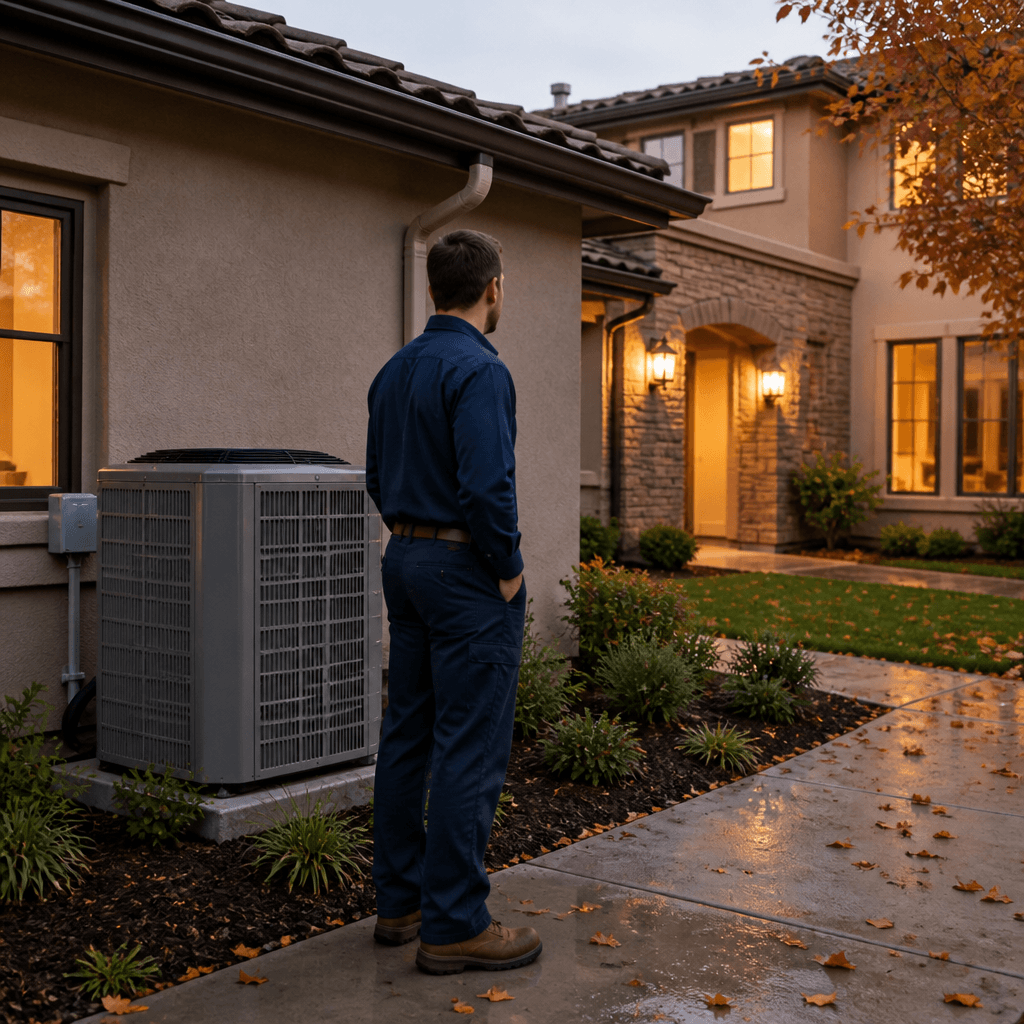
Remove leaves, dirt, snow, and ice from around the outdoor unit so air can move freely. Heat pumps need open space to pull in outdoor air, and blocked airflow can lower performance fast. Keeping the area clear helps the system run the way it was designed to run.
🌬️ Step 3: Check the Air Filter
Look at the indoor air filter and replace it if it is dirty or clogged. A restricted filter can reduce airflow, which makes the system work harder and can affect how well it heats. Clean airflow is a basic part of steady heat pump performance in colder weather.
🔁 Step 4: Listen for the Defrost Cycle
Pay attention to whether the outdoor unit pauses and then starts back up during cold conditions. That pause may be the defrost cycle removing ice from the coil, which is a normal function. If the unit stays frozen or never seems to recover, that can point to a deeper issue.
📏 Step 5: Watch for Short Cycling
Notice whether the system turns on and off too often instead of running in longer, even periods. Short cycling can waste energy and leave your home feeling unevenly heated. It may happen because of thermostat trouble, airflow restrictions, or an oversized system.
🧰 Step 6: Inspect Vents and Registers
Make sure supply vents and return registers are open and not blocked by furniture, rugs, or drapes. Heat needs a clear path through the home to keep temperatures balanced from room to room. If airflow is blocked, you may feel cold spots even when the system is working.
🛠️ Step 7: Check for Ice or Frost That Stays Put
Look at the outdoor coil for heavy frost or ice that does not clear after a normal defrost cycle. Some frost in cold weather is expected, but thick buildup can keep the unit from moving heat well. If ice keeps coming back, the system may need service.
📞 Step 8: Schedule a Professional Inspection
If the system still struggles after the basic checks, have a licensed HVAC technician inspect it. A trained pro can test refrigerant levels, electrical parts, airflow, and the defrost system safely. That can help catch the real cause before the problem gets worse.
Common DIY Mistakes to Avoid
A lot of homeowners try to solve heat pump issues on their own when the weather starts changing. Some fixes are simple, but others need a trained eye and the right tools. Avoiding the wrong moves can save time, reduce stress, and protect the system from more damage.
⚠️ Mistake 1: Ignoring the Thermostat Settings
This happens when someone assumes the system is broken without checking whether it is set to heat or set too low. It often occurs because the home feels cold and the thermostat is the first thing they blame. To prevent this, always confirm the mode, temperature, and fan setting before moving on.
❌ Mistake 2: Leaving the Outdoor Unit Blocked
This means letting leaves, dirt, snow, or ice sit around the unit and restrict airflow. People often forget to clear the area because the equipment is outside and easy to overlook. The best way to avoid this is to keep several feet of space around the unit and check it after storms.
⚠️ Mistake 3: Using a Dirty Filter Too Long
A clogged filter limits airflow and makes the system work harder than it should. This usually happens because filters are easy to forget until the heating feels weak. Replace or clean the filter on a regular schedule so the system can move air properly.
🚫 Mistake 4: Confusing Defrosting With a Breakdown
Some homeowners panic when they see the outdoor unit pause or run differently in cold weather. That mistake happens because the defrost cycle looks odd if you do not know what to expect. To avoid unnecessary worry, learn the normal signs of defrost operation and watch for ice that stays after the cycle ends.
⚠️ Mistake 5: Trying to Fix Electrical or Refrigerant Problems Alone
This is when a homeowner opens panels or guesses at the cause of poor heating without the right training. It happens because the problem seems small at first, but the root cause is often more complex. The safe choice is to stop at basic checks and call a pro when the issue points to refrigerant, wiring, or internal parts.
Frequently Asked Questions
How a heat pump works in cold weather?
Yes, a heat pump can still heat your home in cold weather by pulling heat energy from the outdoor air and moving it inside. The system may run longer as temperatures fall, and that is often normal. If performance drops a lot, it may need maintenance or repair.
Why does my heat pump run longer in winter?
Yes, longer run times are common because the system has to work harder when outdoor temperatures are lower. The unit is still operating by transferring heat, but the colder air gives it less energy to work with. If it runs nonstop and never reaches the set temperature, something may be wrong.
Is frost on a heat pump normal?
Yes, a light layer of frost can be normal in cold weather. The unit should switch into a defrost cycle to clear that buildup and keep heating properly. If ice stays on the coil for a long time, the system may need service.
Why is my heat pump blowing cool air in winter?
Yes, this can happen during the defrost cycle or if the system is struggling to keep up. Short bursts of cooler air are not always a sign of failure, but steady cool air is a problem. A check of the thermostat, filter, and outdoor unit is a good place to start.
When should I call for heat pump repair?
Yes, you should call for service if the system is icing up, short cycling, or not heating the home evenly. These signs often point to airflow trouble, electrical issues, or low refrigerant. Getting help early can keep the problem from becoming more expensive.
Final Thoughts on Cold Weather Heat Pump Care
Knowing how a heat pump works in cold weather helps you stay calm when temperatures drop and the system starts working harder. Simple checks like the thermostat, filter, outdoor unit, and airflow can solve some problems early and make the home feel more comfortable. When the issue goes beyond those basics, professional service is the safest next step.
A little attention in fall can make a big difference once colder weather settles into Westminster. If you want more updates from our team, follow us on social media.