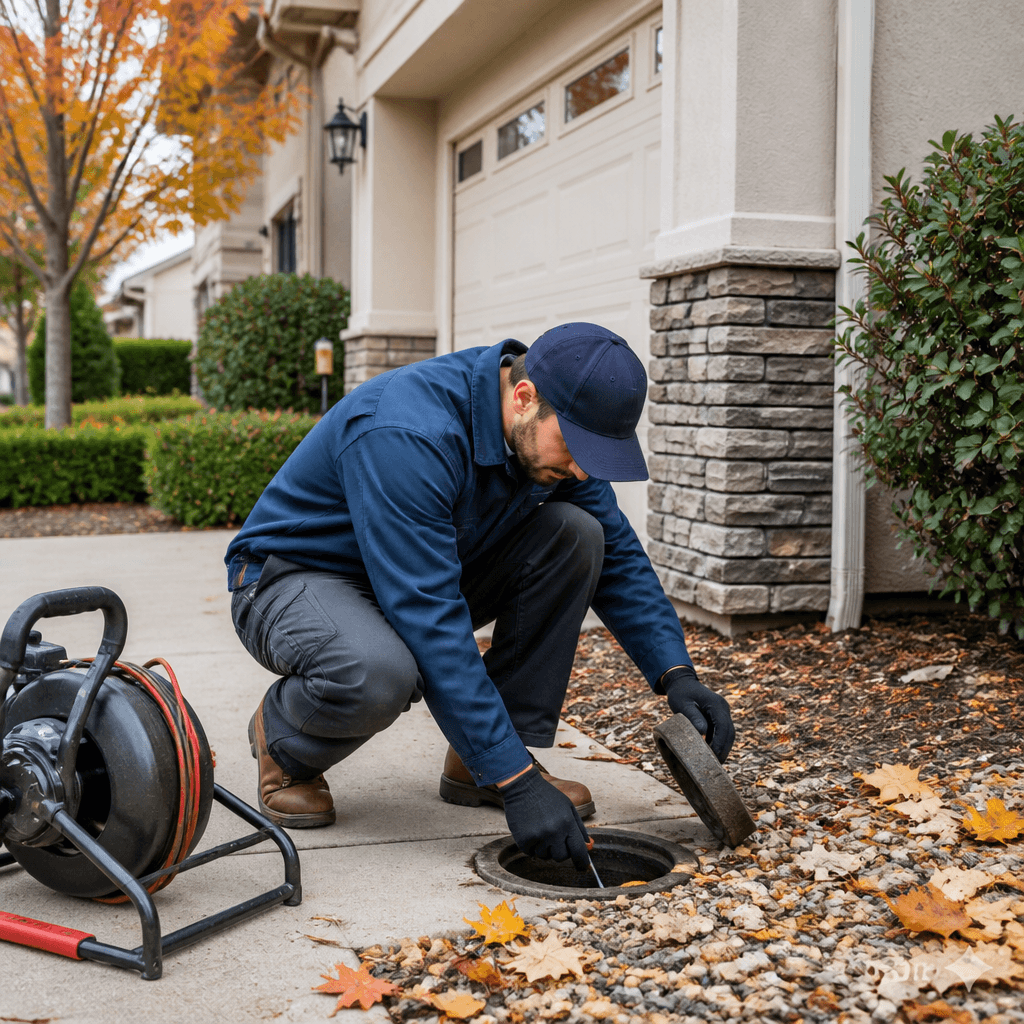
• Act early before winter stress builds up. Small sewer issues can turn into bigger problems once colder weather and heavier household use put extra pressure on the line. Checking for warning signs now can help prevent backups, clogs, and costly damage later.
• Focus on the main signs of sewer trouble. Slow drains, bad odors, gurgling sounds, and repeated clogs often point to a deeper issue in the sewer line. Knowing what to look for makes it easier to catch problems before they get worse.
• Follow a simple maintenance plan to stay ahead. A few clear steps, like inspecting drains, clearing buildup, and scheduling a professional check, can help keep the system ready for the season. Regular care gives homeowners a better chance of avoiding sudden plumbing trouble.
Why Fall Is the Right Time to Act
As cooler weather settles into Laguna Niguel, small sewer issues can turn into bigger problems fast. A slow drain or a faint odor now may grow into a messy backup once winter brings heavier use and colder nights. That is why sewer line maintenance before winter matters for homes that want to stay ahead of trouble.
We often see homeowners wait until a clog becomes obvious, and by then the fix is usually more stressful. Seasonal shifts can affect pipes in ways that are easy to miss, especially when debris, grease, or roots have already started building up. If you are already noticing warning signs, our sewer line services can help address the issue before it grows.
The good news is that a few smart checks now can help lower the chance of backups later. A sewer line does not usually fail all at once, and most problems give off signals first. Paying attention early gives you a much better shot at keeping your plumbing steady through the colder season.
How We Handle Sewer Line Prep
The best way to get ready for winter is to start with a careful look at how the line is flowing. We check for slow drains, repeated clogs, gurgling sounds, and any signs that waste is not moving the way it should. When these issues show up, they often point to buildup, a partial blockage, or a line that needs closer attention.
From there, we focus on clearing the pipe and reducing the chance of future problems. That may involve removing buildup, checking for damage, and making sure the system can handle normal household use during the colder months. For many homes, sewer line maintenance before winter is less about reacting and more about preventing stress on the system.
Step-by-Step Guide to Sewer Line Care
🔍 Step 1: Watch for Early Warning Signs
Look for slow drains, bubbling toilets, bad smells, or water backing up in more than one fixture. These signs often point to a problem deeper in the sewer line rather than a simple surface clog.
🧼 Step 2: Clear Out Nearby Drain Buildup
Remove grease, food scraps, and soap buildup from the drains inside the home. These materials can narrow the line over time and make winter backups more likely.
📋 Step 3: Check Outdoor Drain Areas
Inspect outdoor cleanout points and the area around your sewer access if you have one. If you see standing water, heavy debris, or root growth near the line, that can signal a bigger issue.
🛠️ Step 4: Schedule a Professional Inspection
A trained plumber can look deeper into the sewer line and find problems that are not visible from the surface. This matters because small cracks, clogs, or root intrusion can be easy to miss until they become costly.
🚿 Step 5: Address Blockages Before Cold Weather
If a clog is present, clear it before winter use increases demand on the system. This helps keep wastewater flowing the way it should and lowers the risk of a backup during busy household days.
🌿 Step 6: Keep Roots and Debris Away
Tree roots and yard debris can create extra pressure on underground lines. Reducing what reaches the pipe helps protect the system from repeat problems.
🧯 Step 7: Test the System After Service
Run water through sinks, tubs, and toilets to make sure everything drains properly after maintenance. This final check helps confirm that the line is flowing as expected.
🗓️ Step 8: Make Fall Maintenance a Habit
Repeat the process each year before winter arrives so small problems do not catch you off guard. Regular attention helps keep the sewer line in better shape through seasonal changes.
Common Mistakes to Avoid
Many DIY attempts go wrong because people focus only on the most obvious drain and ignore the bigger system. Sewer problems often show up in more than one place, so a single slow sink may not tell the full story. The safest way to avoid mistakes is to look at the whole pattern, not just one fixture.
Another common issue is waiting until the line is already backing up before taking action. That delay usually makes the repair more difficult and can turn a manageable problem into a more serious one. Careful checks and early response are the best way to stay ahead of trouble.
- ⚠️ Mistake 1: Ignoring Small Warning Signs
A slow drain, odd smell, or gurgling sound may seem minor at first. People often dismiss these signs because the plumbing still works, but that delay can let the problem grow. Prevent this by acting as soon as the first change appears. - ⚠️ Mistake 2: Treating One Clog as the Whole Problem
A clog in one sink does not always mean the issue is local. Some homeowners keep clearing the same fixture again and again because they do not inspect the rest of the system. Check for repeat issues in multiple drains so you can spot a deeper sewer line problem. - 🚫 Mistake 3: Using the Wrong Cleaning Method
Some people use harsh products or quick fixes that do not solve the root cause. This usually happens when they want a fast result and skip the step of checking what is actually blocking the line. Use methods that match the problem, and avoid forcing a fix before you know the source. - ❌ Mistake 4: Skipping the Outdoor Check
The sewer line does not stop at the inside drains, so ignoring outdoor access points can leave hidden issues unseen. This mistake happens when homeowners only look where the water shows trouble. Prevent it by checking around cleanouts and the ground near the line for signs of moisture or root growth. - ⚠️ Mistake 5: Waiting Until Winter Hits
Many people put off maintenance until the weather changes and the system is under more use. By then, a small issue may already be harder to fix. The best prevention is to handle sewer line maintenance before winter while conditions are still manageable.
Frequently Asked Questions
Why is sewer line maintenance important before winter?
Yes, it is important because colder months often bring heavier plumbing use and less room for error. sewer line maintenance before winter helps reduce the chance of backups, slow drains, and unpleasant surprises when your home needs the system to work reliably.
What are the signs that a sewer line needs attention?
Yes, common signs include repeated clogs, slow drains, bad odors, gurgling sounds, and water backing up in more than one fixture. These signs often point to a line issue rather than a simple drain problem.
Can tree roots affect a sewer line in fall and winter?
Yes, tree roots can still cause trouble during fall and winter because they continue searching for moisture underground. Even a small crack in a sewer line can give roots a way in, which is why early inspection matters.
How often should a sewer line be checked?
Yes, it should be checked regularly, especially if the home has a history of clogs or older plumbing. Many homeowners benefit from a yearly look before the colder season starts.
What is the safest way to prepare for sewer backups?
Yes, the safest way is to watch for warning signs, clear buildup, and have the line inspected before a problem gets worse. Staying ahead of the issue is better than waiting for an emergency.
Keep Your Sewer Line Ready for Winter
Fall is the right time to get ahead of sewer trouble, especially when your home is about to face more plumbing use. A few smart steps now can help keep drains moving, lower stress on the system, and reduce the chance of a winter backup.
We believe the best results come from early attention, clear planning, and careful follow-through. If you want a cleaner, safer plumbing system heading into the colder months, follow us on social media.