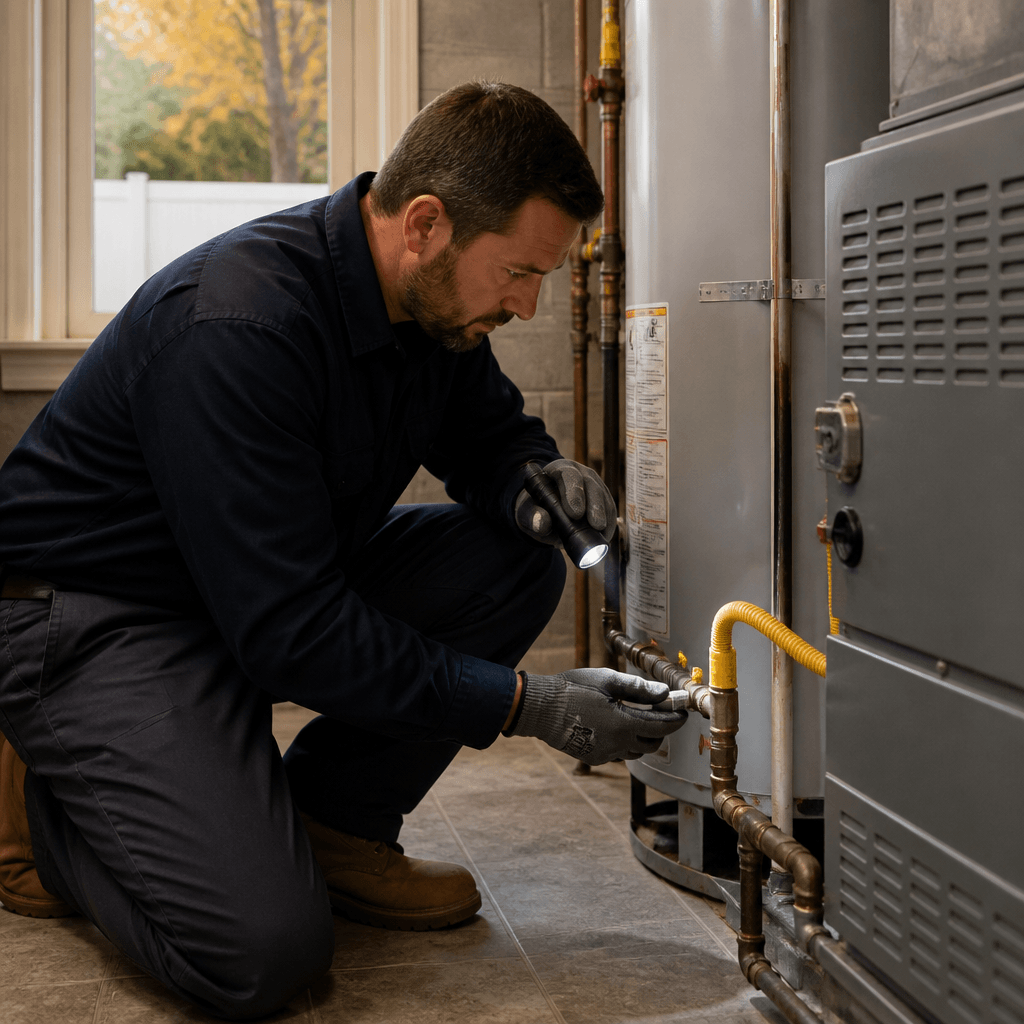
- Check for warning signs early: A gas line inspection before winter season helps catch smells, leaks, loose fittings, or weak appliance performance before colder weather adds pressure on your home’s gas system.
- Follow a simple safety-first process: Look over visible areas, clear access around appliances, and schedule a professional inspection so small issues can be handled before they turn into bigger problems.
- Avoid risky DIY mistakes: Gas lines should not be treated like a home repair project, since skipping warning signs or waiting until winter can increase safety risks and leave your home unprepared.
Why a Fall Gas Line Check Matters
As cooler weather settles into Ladera Ranch, homes start relying on gas appliances more often. That makes gas line inspection before winter season an important part of getting ready for the months ahead. A small issue that seems harmless now can become a bigger safety concern once daily heating use increases. We help homeowners stay ahead of that risk by paying attention before the first cold stretch arrives.
Gas lines are not something to leave to chance, especially when your comfort and safety depend on them. Even a minor leak can affect how your home runs and can put your family at risk if it goes unnoticed. If you want to understand what a careful check involves, our gas line services page is a helpful place to start. The goal is simple: catch problems early, before winter makes them harder to ignore.
A proper inspection also helps protect your equipment from avoidable wear. When gas-powered systems are working harder in the colder season, they need a steady and safe supply. That is why acting early matters more than waiting for a smell, a shutoff, or poor performance. We believe the smartest approach is to handle the issue before it becomes an emergency.
What We Look for During a Gas Check
During a gas line inspection before winter season, we look for signs that can point to leaks, damage, or poor connections. That includes checking visible lines, fittings, appliance hookups, and areas where pipes may be exposed to stress or movement. We also pay attention to unusual sounds, odors, or performance changes that can hint at trouble. These checks matter because many gas line problems start small and become more serious over time.
A careful inspection is not just about spotting a problem; it is also about preventing one from getting worse. We want to make sure your system is ready for steady seasonal use and that every part is working the way it should. Homeowners in Ladera Ranch benefit from planning ahead because cooler nights can quickly put more demand on heating systems. By catching issues early, we help keep your home safer and your winter routine smoother.
How to Prepare Your Gas Line
📝 Step 1: Note Any Warning Signs
Start by paying attention to anything unusual around your gas appliances or lines. A rotten egg smell, hissing sound, or sudden change in appliance performance should always be taken seriously because these can point to a gas leak.
🔦 Step 2: Check Visible Gas Line Areas
Look at any exposed gas piping you can safely see in utility spaces, garages, or outside areas. You are checking for damage, corrosion, loose fittings, or anything that looks out of place so you can catch issues early.
📅 Step 3: Schedule the Inspection Early
Arrange a gas line inspection before winter season starts to avoid waiting until the first cold spell. Early timing matters because more households rely on gas equipment once temperatures drop.
🏠 Step 4: Clear Access to Appliances
Move stored items away from water heaters, furnaces, and other gas-powered equipment. Clear access helps the inspection go faster and allows a technician to examine key connection points more easily.
🔧 Step 5: Test Gas Appliances for Normal Use
Run your gas appliances briefly and watch for uneven flames, delayed ignition, or weak performance. These signs can point to a supply issue or another problem that should be checked before heavy seasonal use.
📞 Step 6: Call for Professional Help if Needed
If anything seems off, stop using the appliance and have it checked right away. Gas issues are not a safe DIY project because the risks can become serious very quickly.
Common DIY Mistakes to Avoid
Many homeowners want to save time by handling gas line checks on their own, but that often leads to avoidable mistakes. Gas systems are not the place to guess, especially when the weather is changing and heating use is about to increase. Knowing what not to do can help you stay safer and make better decisions.
- ⚠️ Mistake 1: Ignoring Small Warning Signs
This happens when a homeowner notices a smell, sound, or weak appliance performance but assumes it is nothing serious. People do this because the signs can seem minor at first, but that delay can let a real problem grow. The best way to prevent this mistake is to treat any unusual change as a reason to act fast. - ⚠️ Mistake 2: Checking Gas Lines Without Proper Training
This mistake is trying to inspect or touch parts of the gas system without knowing what is safe to handle. It usually happens because homeowners want quick answers, but gas work can be dangerous if done the wrong way. To prevent it, keep your role limited to noticing symptoms and leave the actual inspection to a trained pro. - ⚠️ Mistake 3: Waiting Until Cold Weather Hits
Some people put off a gas line inspection before winter season until they already need heat every day. That delay often happens because the system seems fine in warm weather, so the task feels easy to skip. Prevent it by scheduling the check early, before the first real temperature drop puts more demand on the system. - ⚠️ Mistake 4: Blocking Access to Equipment
This is when boxes, storage bins, or other items make it hard to reach gas appliances and piping. It happens because utility spaces often become catch-all storage areas, especially before the holidays. Prevent it by clearing the area first so the inspection can be done properly and safely. - ⚠️ Mistake 5: Using Appliances After Noticing Trouble
This mistake means continuing to use a gas appliance even after you have seen signs that something may be wrong. It often happens because the appliance still works in some way, so the problem feels easy to ignore. To prevent it, stop using the equipment and get it checked before you rely on it again.
Frequently Asked Questions
Why should we check gas lines before winter?
Yes, checking gas lines before winter is important because heating use increases when temperatures drop. A gas line inspection before winter season can help catch leaks, loose fittings, or other issues before they affect safety or comfort.
What are the most common signs of a gas line problem?
Yes, the most common signs include a rotten egg smell, hissing sounds, and appliances that do not work normally. You may also notice weak flames, delayed ignition, or a sudden drop in performance.
Can we inspect gas lines ourselves?
No, a full gas line inspection should be handled by a trained professional. Homeowners can look for warning signs, but actual testing and repair should be left to someone with the right tools and experience.
How often should gas lines be checked?
Yes, gas lines should be checked regularly, especially before heavy seasonal use. A yearly inspection is a smart habit for many homes, and it is especially useful before winter when gas systems work harder.
What should we do if we smell gas?
Yes, you should leave the area right away and avoid using anything that could create a spark. Once you are safe, contact a qualified professional immediately so the problem can be handled properly.
Final Thoughts Before Winter
A little preparation now can help prevent bigger problems later, especially when your home depends on gas during colder months. We recommend treating this as a simple but important part of seasonal home care in Ladera Ranch. A timely inspection can help protect your family, your comfort, and your peace of mind.
If you want to stay connected with our team and see more helpful updates, follow us on social media.