• Why it matters now: Dual fuel HVAC for winter heating can help Irvine homes stay comfortable when cooler weather arrives, but only if the system is ready before demand rises.
• What to check: Thermostat settings, air filters, vents, changeover performance, and warning signs all play a role in how well a dual fuel system works through the season.
• What you’ll learn: This guide shows simple steps to prepare your system, avoid common DIY mistakes, and understand when it may be time for a professional check.
How to Prepare Your Home for Winter Heating
When cooler weather starts to settle in Irvine, heating problems can show up fast. A system that is not ready for the season may run longer, cost more, and still leave rooms feeling uneven. If you are thinking about dual fuel HVAC for winter heating, now is the time to learn what helps it work the way it should.
Cold nights can make a weak heating setup feel even more obvious. Small issues like dirty filters, poor airflow, or a unit that switches at the wrong time can affect comfort right away. That is why many homeowners look at our dual fuel HVAC options before the season gets fully underway.
A dual fuel setup uses two heating sources, and that gives your home more flexibility when outdoor temperatures change. In a place like Irvine, where winter is usually mild but still cool enough to need steady heat, that balance can make a real difference. When the system is set up and maintained well, it can help your home stay warm more evenly while using energy in a smarter way.
What Makes Dual Fuel Heating Work
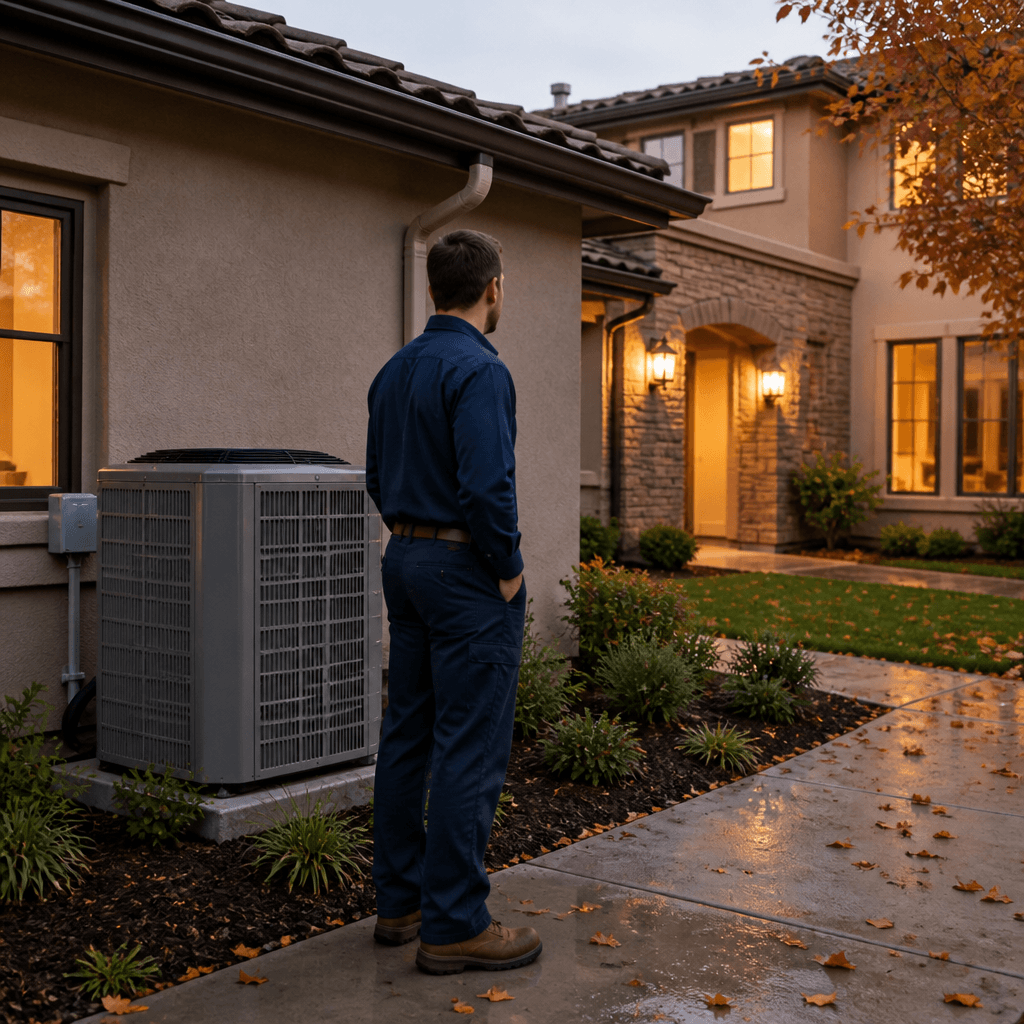
A dual fuel system usually pairs a heat pump with a gas furnace, letting the system choose the better option for the weather. The heat pump can handle milder days well, while the furnace steps in when stronger heat is needed. This setup can help keep indoor temperatures more stable while reducing stress on one single heat source.
We often see problems when homeowners expect the system to handle winter on its own without basic care. Things like thermostat settings, airflow, and equipment condition all affect how well the system shifts between modes. When dual fuel HVAC for winter heating is maintained correctly, it can do its job more smoothly and keep the home more comfortable through the season.
How to Prepare Dual Fuel Heating
📝 Step 1: Check Your Thermostat Settings
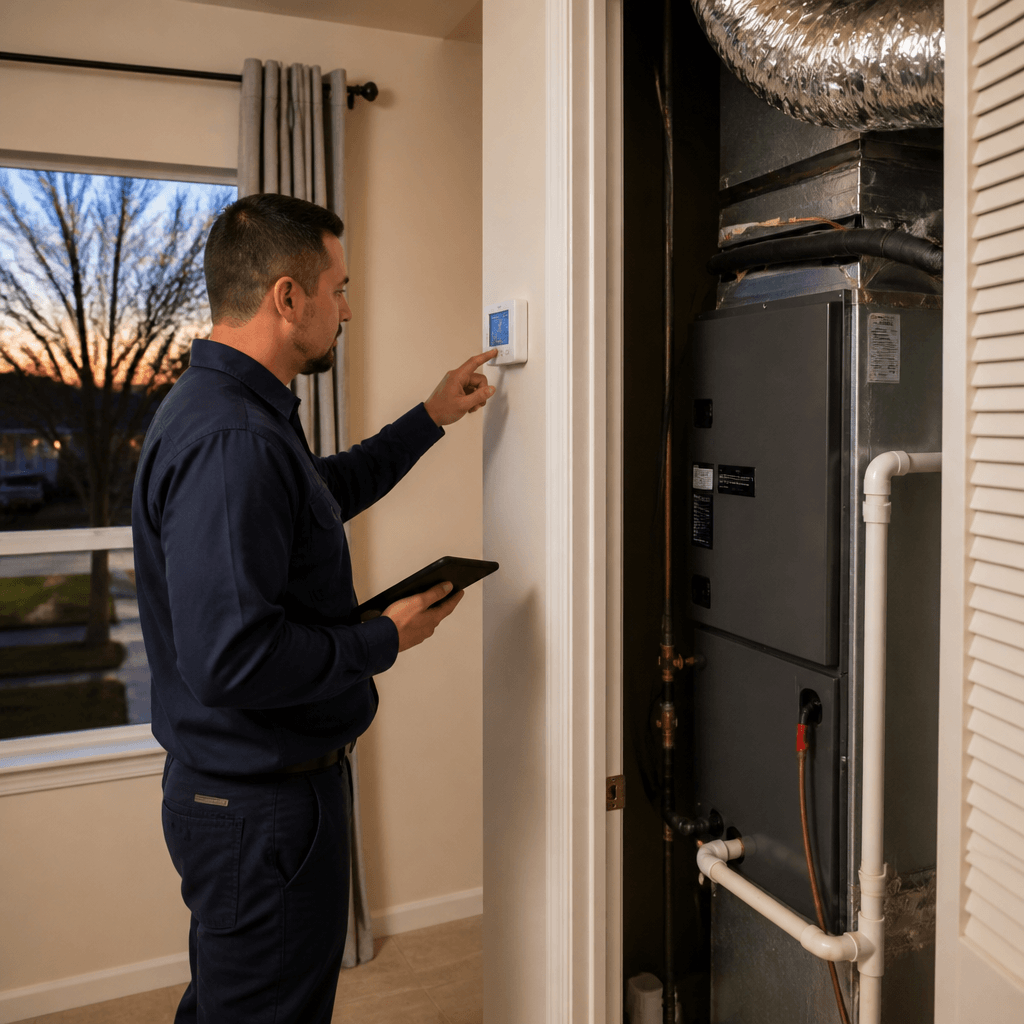
Make sure the thermostat is set to heat mode and that the temperature is where you want it for cooler weather. A wrong setting can make the system seem like it is failing when it is really just set up incorrectly. It also helps to confirm that the changeover point between the two heating sources is where it should be.
🧹 Step 2: Replace the Air Filter
A clean filter helps air move through the system the right way. When a filter is clogged, the system can struggle to heat evenly and may run longer than needed. Changing it before winter helps support better airflow and less strain on the equipment.
🔍 Step 3: Inspect Vents and Registers
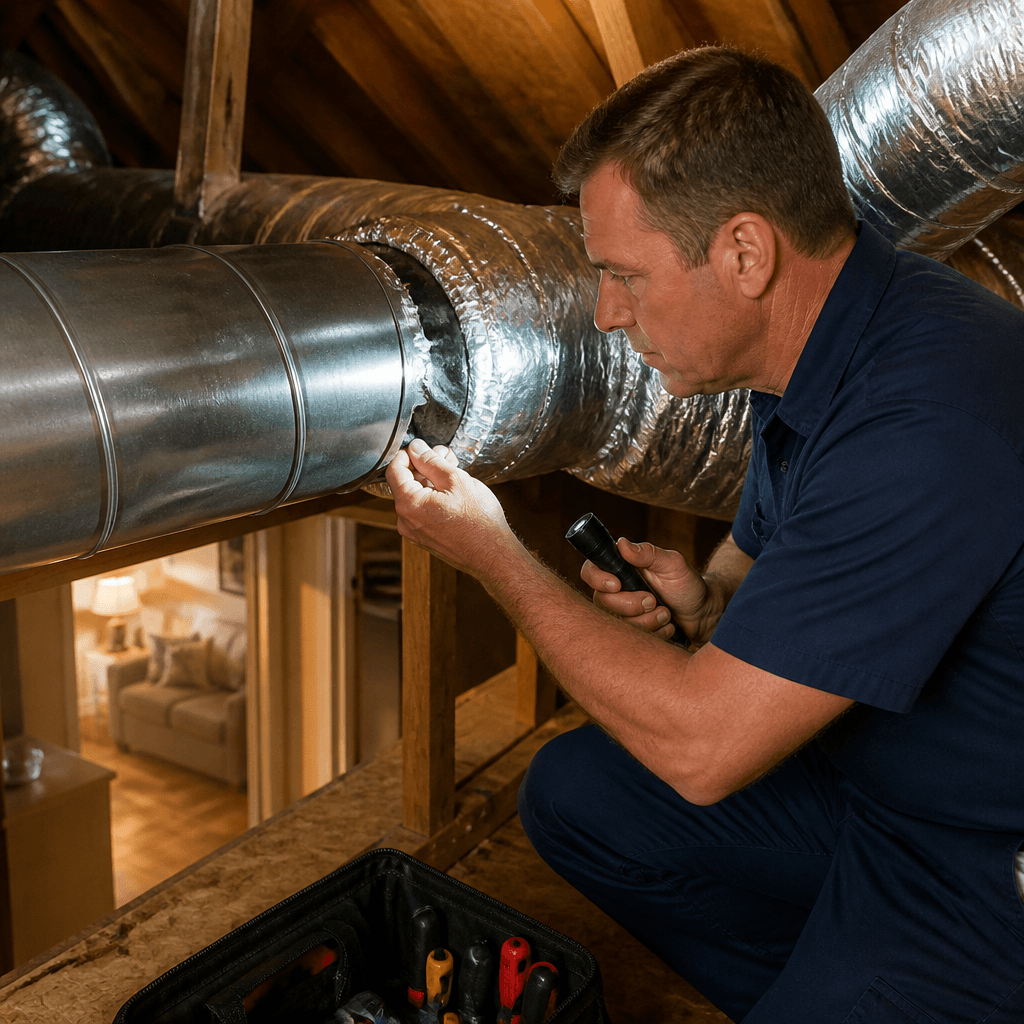
Walk through the home and make sure vents are open and not blocked by furniture, rugs, or curtains. Blocked vents can reduce airflow and create rooms that feel colder than others. This simple check helps the heating system distribute warmth more evenly.
🔧 Step 4: Test the Heating Changeover
Dual fuel systems need to switch between the heat pump and furnace at the right time. Testing this before cold weather arrives helps you catch any delay or odd behavior early. If the system does not change over properly, comfort and efficiency can both drop.
📋 Step 5: Look for Unusual Sounds or Odors
Turn the system on and listen for rattling, grinding, or other noises that should not be there. Strange smells, especially burning or musty odors, can also point to a problem that should not be ignored. Catching these signs early can help prevent larger trouble later in the season.
🌡️ Step 6: Check for Even Heat in Each Room
Move through the home and notice whether rooms warm up at about the same speed. Uneven heating can point to airflow problems, duct issues, or a system that needs attention. This step helps you see how well the heating setup is really working under normal use.
🛠️ Step 7: Schedule a Heating Check
A seasonal check can help confirm that the system is ready for winter use. During that visit, a technician can look at system performance, safety points, and parts that may need attention. This is a smart way to keep small issues from becoming bigger ones once colder weather settles in.
Mistakes to Avoid With Heating Prep
A lot of DIY heating problems start when people skip basic checks and assume everything is fine. That can lead to uneven comfort, higher energy use, or a system that fails when it is needed most. The mistakes below are common, but they are also easy to avoid with a little care.
– ⚠️ Mistake 1: Ignoring Thermostat Settings
Many homeowners leave the thermostat alone and assume the system will sort itself out. This happens because the controls seem simple, but the changeover between heating sources matters. Prevent this by checking settings before the first cold stretch and confirming the system responds correctly.
– ❌ Mistake 2: Leaving a Dirty Filter in Place
A dirty filter can restrict airflow and make the system work harder than it should. People often forget this step because the filter is out of sight and easy to overlook. Replace it on a regular schedule so the system can move air more freely.
– 🚫 Mistake 3: Blocking Supply and Return Vents
Furniture, rugs, and boxes can block airflow and throw off room temperatures. This usually happens during seasonal decorating or when homeowners rearrange a room. Keep vents clear so warm air can move through the home as intended.
– ⚠️ Mistake 4: Skipping a Changeover Test
A dual fuel system needs to switch properly between heat sources, and many people never test that function ahead of time. This mistake happens because the system may still seem to run even if the switch is not working right. Prevent problems by testing it before winter demand increases.
– ❌ Mistake 5: Waiting Too Long to Address Warning Signs
Strange noises, odors, or uneven heat are often brushed off until the system gets worse. That delay usually happens because the heating still works in some form, so the issue feels minor. The best prevention is to act early when the first sign shows up.
Frequently Asked Questions
What is dual fuel HVAC for winter heating?
Yes, dual fuel HVAC for winter heating uses two heat sources in one system, usually a heat pump and a gas furnace. The system chooses the better option based on outdoor temperatures, which helps keep the home comfortable during colder weather.
How do I know if my dual fuel system is ready for winter?
Yes, your system is ready if the thermostat works correctly, the filter is clean, airflow is strong, and the changeover between heating sources happens properly. If you notice uneven heat, odd sounds, or weak airflow, the system should be checked before colder weather continues.
Why is a dual fuel system useful in Irvine?
Yes, a dual fuel system can be a smart fit for Irvine because winter is usually mild, but colder nights still call for reliable heat. The system can use the heat pump during lighter weather and switch to the furnace when stronger heating is needed.
How often should I check my dual fuel HVAC system?
Yes, you should check it before winter starts and again anytime you notice a change in comfort or performance. Regular seasonal attention helps catch small problems before they affect heating during colder days.
Can a dual fuel HVAC system save energy in winter?
Yes, it can save energy when it is set up and maintained the right way. By using the heat pump when conditions are mild and the furnace only when needed, the system can avoid unnecessary strain and use energy more wisely.
Stay Ready for the Season Ahead
Getting your heating system ready before colder weather arrives can make a real difference in comfort and peace of mind. When each part of the system is checked and working the right way, your home is better prepared for steady winter heat. That is especially true when dual fuel HVAC for winter heating is part of your setup in Irvine.
A little preparation now can help prevent bigger problems later in the season. If you want to stay informed about our services and updates, follow us on social media.