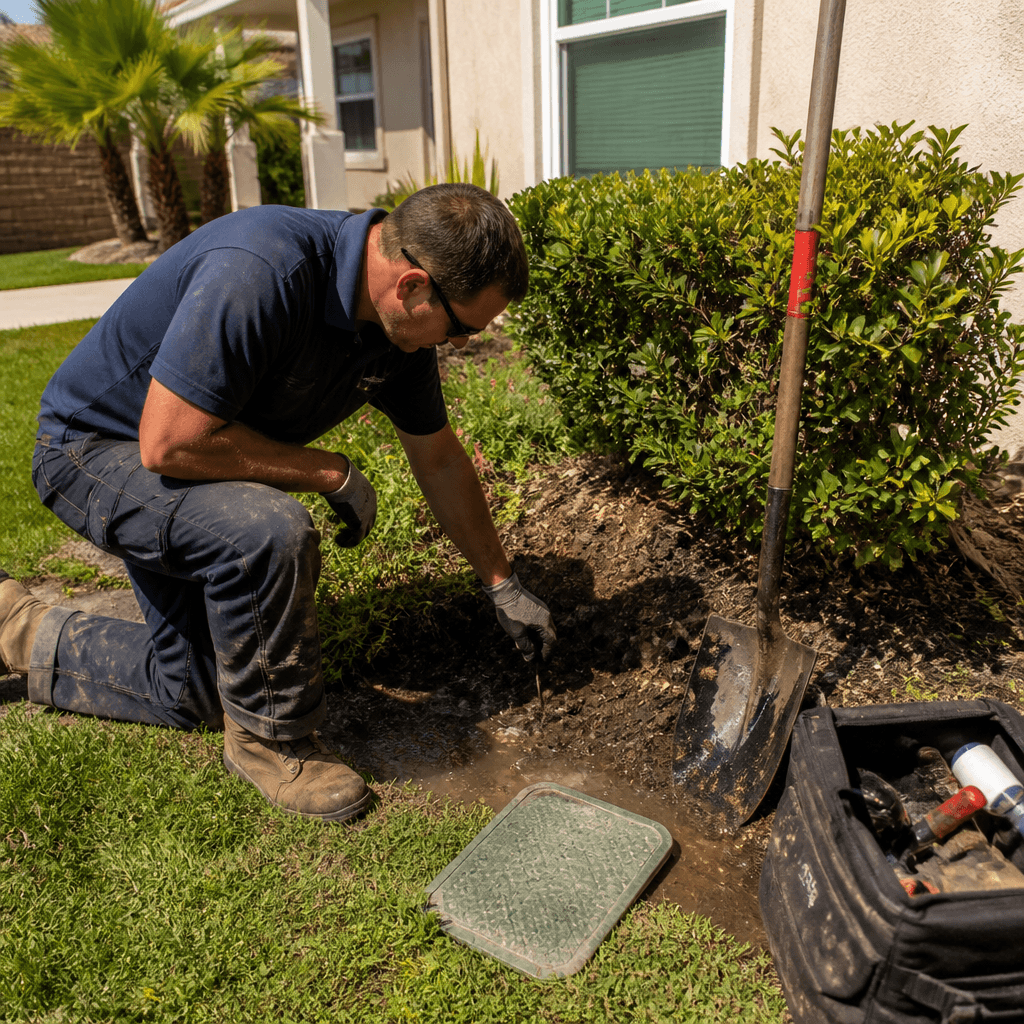
• Water line problems can start small with low pressure, wet spots, or odd noises, and they can turn into costly damage fast if ignored.
• Homeowners can spot warning signs early by checking water use, listening for leaks, and looking for outdoor soil changes before bigger issues spread.
• Fast action matters because the right inspection and repair plan can protect your home, reduce waste, and stop repeat water line trouble.
Why Water Line Problems Need Fast Action
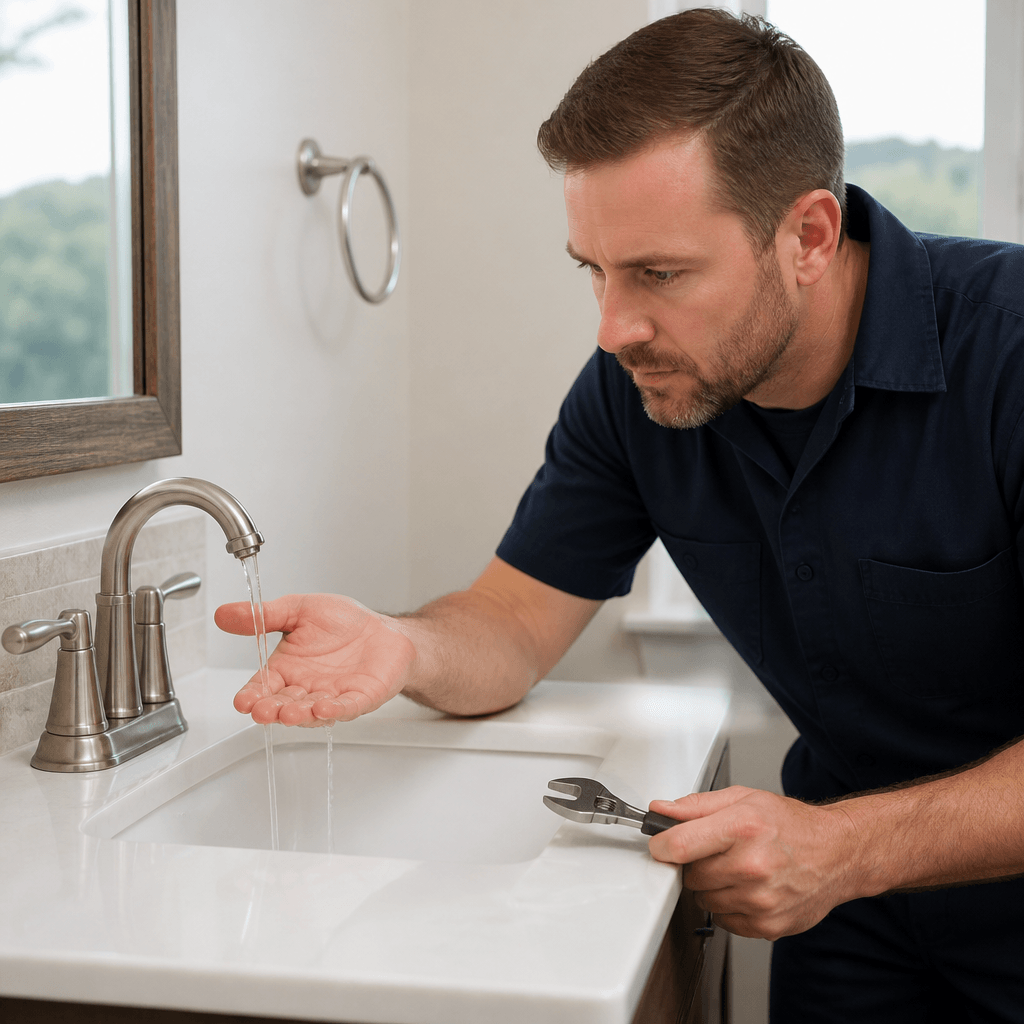
When a water line starts acting up, the signs can be easy to miss at first. A small drop in pressure, a damp spot, or an odd sound behind the walls can quickly turn into a bigger repair. That is why water line services for homeowners matter before the damage spreads.
In Santa Ana, summer heat can make hidden plumbing problems feel even more urgent. Dry soil can shift, and older lines can take on extra stress when conditions change fast. We help homeowners catch trouble early so a small issue does not become a major headache.
If you wait too long, the damage can affect floors, walls, and daily routines. Water line trouble can also waste water and raise utility costs in ways that are easy to overlook. For help with these issues, our water line services are designed to solve the problem at the source.
What We Look for and Why It Matters
The best way to handle a water line issue is to start with the signs and trace them to the source. We look for changes in water pressure, unexplained wet areas, cloudy water, and sudden spikes in water use. These clues often point to a hidden leak or damaged line that needs attention.
Once we find the problem, we can decide whether repair or replacement makes the most sense. Some issues come from aging pipes, while others happen after shifting soil, root growth, or corrosion over time. When homeowners understand the cause, they can make better choices and avoid repeat problems.
How To Handle Water Line Problems
🔍 Step 1: Check for Early Warning Signs
Look for weak water pressure, soggy ground, or water stains inside the home. These signs often show up before a line fails completely, which gives you a chance to act sooner.
📋 Step 2: Compare Water Use and Bills
Review your water bill and daily water use for sudden changes. A steady rise without a clear reason can point to a leak that is hidden underground or behind walls.
👂 Step 3: Listen for Unusual Sounds
Turn off water-using fixtures and listen for running water, hissing, or dripping sounds. These noises can help narrow down where the problem may be starting.
🧱 Step 4: Check the Ground and Foundation Area
Walk around the yard and look for muddy spots, soft soil, or cracks near the home. Water line leaks often show up outside before they become obvious indoors.
🚿 Step 5: Test Water Pressure at Different Fixtures
Run water at sinks, tubs, and outdoor spigots to see if the pressure changes from one area to another. Uneven pressure can be a sign of a damaged or blocked line.
🛠️ Step 6: Shut Off Water and Watch for Movement
If you suspect a leak, turn off all water fixtures and watch the meter if you can access it. Movement when nothing is running is a strong sign that water is escaping somewhere in the system.
📞 Step 7: Get a Professional Inspection
A trained plumber can check the line more accurately and find problems that are hard to see. This step matters because small hidden damage can turn into a much larger repair if it is ignored.
🔧 Step 8: Choose the Right Repair Plan
After the issue is found, the repair plan should match the condition of the line. Some cases need a simple fix, while others call for replacement to stop ongoing trouble.
Common Mistakes to Avoid
Many homeowners try to handle water line problems with guesswork. That often leads to wasted time and bigger damage because the real issue stays hidden. The safest approach is to follow each step carefully and look at the full picture before making a repair decision.
Another problem is rushing past early signs because the water still seems to work. Small leaks can stay active for a long time before they become obvious. Paying attention early helps prevent avoidable damage and costly cleanup.
- ⚠️ Mistake 1: Ignoring Small Pressure Changes
A slight drop in pressure may not seem serious, but it can point to a developing leak or blockage. This happens because people often expect a major failure before taking action, which gives the problem more time to spread. Check pressure changes early and do not dismiss them as normal. - ❌ Mistake 2: Skipping the Meter Check
Many DIY attempts miss the water meter test, even though it can reveal hidden water loss. This mistake happens because homeowners focus on visible signs and forget that leaks can be out of sight. Always confirm whether water is still moving when everything is turned off. - 🚫 Mistake 3: Overlooking Outdoor Warning Signs
Soft ground, puddles, and wet patches near the yard are easy to ignore during a busy week. People miss them because they assume the issue must be inside the house if the plumbing still works. Walk the property carefully and treat outside signs as possible proof of a line problem. - ⚠️ Mistake 4: Assuming Every Issue Needs the Same Fix
Some homeowners jump straight to repair without checking whether the line is aging, cracked, or badly corroded. This happens because it feels faster to choose one solution for every problem. Match the fix to the condition of the line so the issue does not keep coming back. - ❌ Mistake 5: Waiting Too Long To Call a Pro
Trying to handle a hidden water line problem alone can delay the real repair. This usually happens when homeowners hope the issue will stay small or go away on its own, which is rarely the case. Bring in help as soon as the signs point to a deeper problem.
Frequently Asked Questions
What are the first signs of a water line problem?
Yes, the first signs often include low water pressure, damp spots, and an unexplained jump in water use. You may also notice strange sounds in the plumbing or wet soil near the home.
How do water line services for homeowners help?
Yes, water line services for homeowners help find leaks, damaged pipes, and other problems before they cause major damage. They also help restore normal water flow and protect the home from hidden water loss.
Can a small water line leak get worse fast?
Yes, a small leak can get worse quickly if the pipe continues to weaken or the soil shifts around it. Even a minor leak can damage flooring, walls, and the yard if it is left alone.
Should I shut off the water if I suspect a leak?
Yes, shutting off the water is a smart first move if you suspect an active leak. It can help limit damage while you check for meter movement or wait for a plumber to inspect the line.
Do all water line problems need replacement?
No, not every water line issue needs replacement. Some problems can be repaired, but older or badly damaged lines may need a new section or full replacement to stop repeated trouble.
Wrap-Up and Next Steps
Water line problems can start small, but they rarely stay that way for long. When homeowners know what to look for and act early, they can protect their home, their water supply, and their budget.
In Santa Ana’s summer heat, it pays to stay alert for signs of trouble and handle them before they spread. If you want a closer look at what we do, follow us on social media.