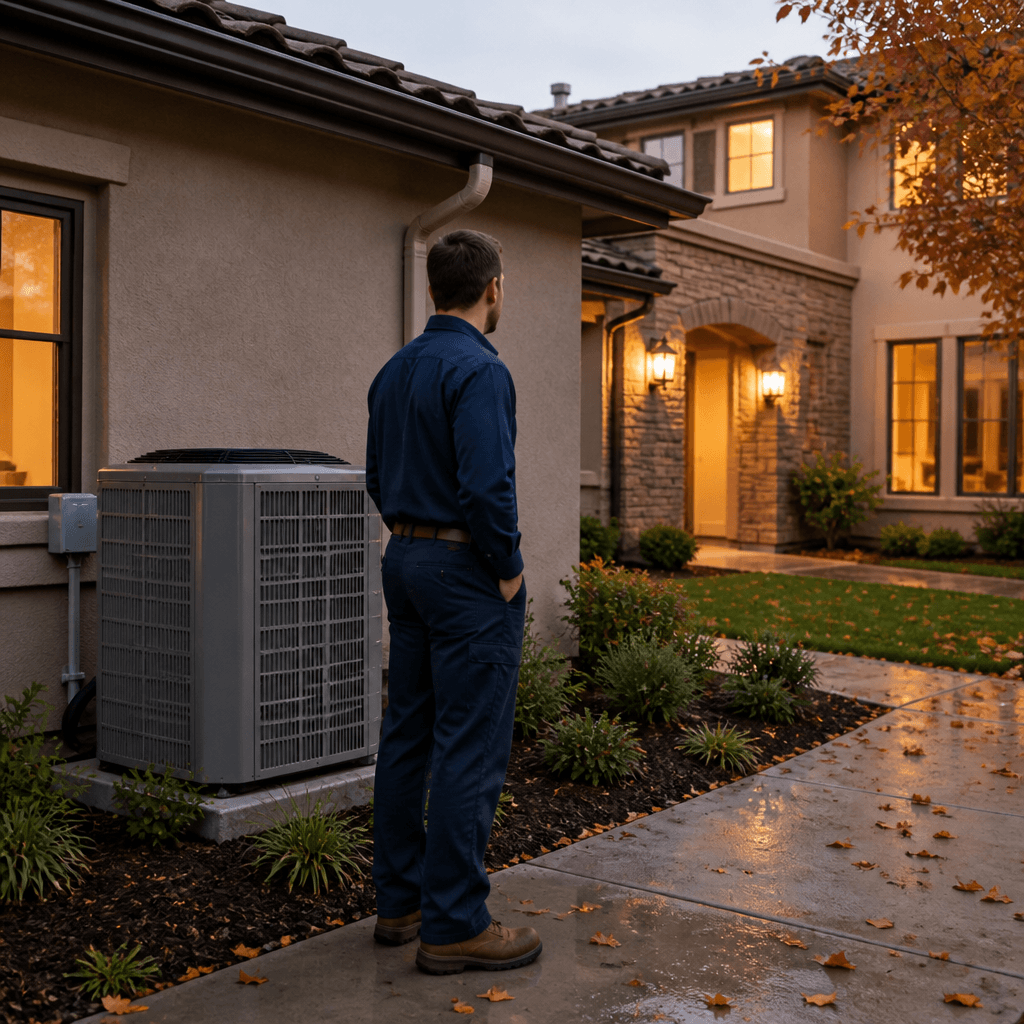
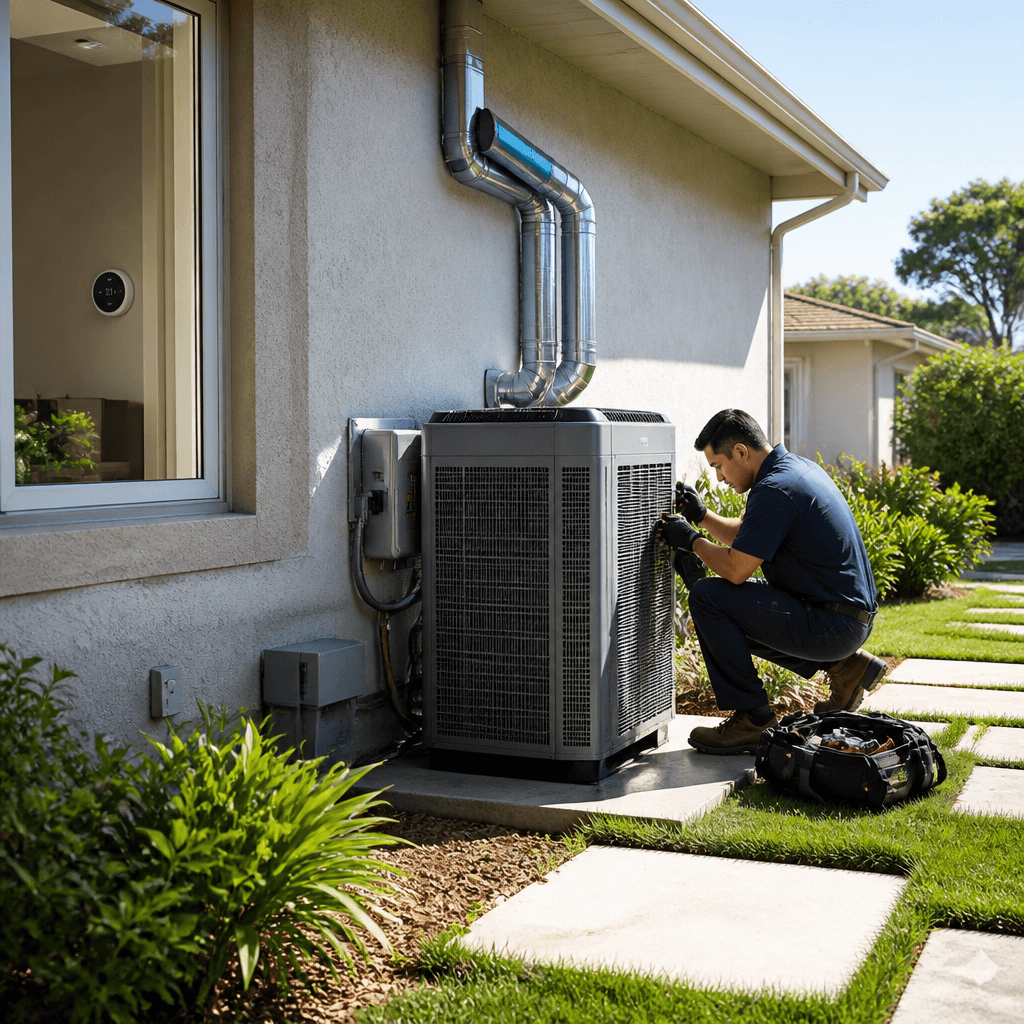
• A dual fuel HVAC system uses a heat pump and a gas furnace to help your home stay comfortable as weather changes.
• This setup can help improve efficiency, reduce wasted energy, and give Rossmoor homeowners more control over comfort.
• The article explains how dual fuel HVAC system benefits explained can help you choose the right system and avoid common mistakes.
Why Dual Fuel Systems Matter in Rossmoor
Summer heat in Rossmoor can put real pressure on a home cooling setup, and that stress often shows up in comfort and energy use. When a system has to work too hard, rooms can feel uneven, and utility costs can climb faster than expected. That is why dual fuel HVAC system benefits explained can help homeowners make a smarter choice before the next weather swing.
A dual fuel setup gives your home two ways to heat and cool, which helps the system adjust when outdoor temperatures change. Our team at dual fuel HVAC solutions helps homeowners understand how this type of system can support steadier comfort through hot days and cooler nights. For Rossmoor homes, that flexibility can matter when one season starts fading and another is already on the way.
The big advantage is simple: your home does not have to rely on one mode all the time. Instead, the system can use the option that makes the most sense for the current weather, which can help reduce wasted energy. If your current HVAC setup feels inconsistent, now is a good time to look at a better long-term plan.
How Dual Fuel HVAC Helps Your Home
A dual fuel system usually pairs a heat pump with a gas furnace, giving your home a smart way to handle changing conditions. The heat pump can manage milder weather efficiently, while the furnace steps in when stronger heat is needed. That back-and-forth can help keep indoor comfort more steady while avoiding unnecessary strain on one source.
This setup can also help homeowners get more value from their equipment over time because the system is not forced to do every job the same way. In places like Rossmoor, where summer is in full swing and cooler weather will follow, that kind of balance can be useful for year-round planning. With dual fuel HVAC system benefits explained, the main idea is to give your home comfort options that fit the season instead of fighting it.
How to Choose a Dual Fuel HVAC System
🔍 Step 1: Check Your Home’s Heating and Cooling Needs
Look at how your home handles hot and cool weather now. Uneven rooms, long run times, or rising energy use can point to a system that is not matching your needs well.
📏 Step 2: Review Your Current Equipment
Identify whether your home already uses a heat pump, furnace, or both. Knowing what you have in place makes it easier to see if a dual fuel setup is a realistic fit.
🧰 Step 3: Compare Fuel Sources
A dual fuel system depends on two different energy sources, so it helps to understand how each one works in your home. The best setup usually depends on local weather patterns, utility costs, and how often each source would be used.
🌡️ Step 4: Think About Seasonal Changes
In Rossmoor, summer comfort matters now, but the system also needs to perform well when temperatures shift later in the year. A dual fuel setup can help your home stay comfortable through those changes by choosing the right mode at the right time.
⚙️ Step 5: Match the System to Your Home Size
The right system must fit your square footage, layout, and insulation level. If the equipment is too large or too small, it may cycle poorly and fail to keep temperatures even.
🛠️ Step 6: Have the Setup Evaluated by a Pro
A trained HVAC technician can help confirm whether the system is sized and installed correctly. This matters because the way the equipment is put together affects both comfort and efficiency.
💡 Step 7: Learn How the Switches Work
A dual fuel system uses controls to decide when to rely on the heat pump and when to use the furnace. Understanding that process helps you know what the system is doing and why it matters for daily comfort.
📋 Step 8: Plan for Regular Service
Like any HVAC equipment, a dual fuel system works best when it is kept in good shape. Routine care helps catch small problems early and keeps both parts of the system ready for the season ahead.
Common Mistakes to Avoid
A dual fuel system can be a smart choice, but small mistakes can take away many of its benefits. Most DIY problems happen when homeowners rush the process or overlook how the two energy sources work together. Careful planning helps prevent wasted money and uneven comfort.
⚠️ Mistake 1: Choosing the Wrong System Size
Some homeowners pick equipment based only on price or guesswork, which often leads to poor results. A system that is too large or too small can cycle too often or fail to keep the house comfortable, so sizing needs to be checked carefully.
⚠️ Mistake 2: Ignoring Existing Equipment
A common mistake is assuming a dual fuel setup will work well with whatever is already in place. This usually happens when people skip a full review of their current HVAC parts, and it can lead to compatibility problems that are easy to avoid with proper planning.
⚠️ Mistake 3: Overlooking Seasonal Needs
Another mistake is focusing only on summer cooling or only on winter heating. That can cause problems because the system is meant to handle changing conditions, so both seasons need to be part of the decision.
⚠️ Mistake 4: Skipping Professional Evaluation
Many people try to judge the setup on their own and miss small issues that affect performance. This happens because the system can seem simple at first, but a trained eye is often needed to spot sizing, control, and installation concerns.
⚠️ Mistake 5: Forgetting Ongoing Maintenance
Some homeowners assume the system will keep working well after installation without regular care. That mistake often leads to avoidable wear, and the best way to prevent it is to stay on top of service before problems grow.
Frequently Asked Questions
What is a dual fuel HVAC system?
Yes, a dual fuel HVAC system uses two heating sources in one setup, usually a heat pump and a gas furnace. It chooses the best option based on outdoor temperatures, which helps keep indoor comfort more steady.
What are the main benefits of a dual fuel system?
Yes, the main benefits are better comfort, smarter energy use, and more flexible heating performance. dual fuel HVAC system benefits explained in simple terms means your home can use the most efficient source for the weather instead of relying on one system all the time.
Is a dual fuel system good for Rossmoor homes?
Yes, a dual fuel system can be a good fit for Rossmoor homes because local weather changes can make flexibility useful. It can help handle summer conditions now and shift smoothly when cooler weather returns.
Does a dual fuel system save money?
Yes, it can save money over time by using the heat pump when conditions are milder and the furnace when more heat is needed. Actual savings depend on your home, your energy rates, and how well the system is installed and maintained.
How do I know if my home needs a dual fuel system?
Yes, your home may benefit from one if you want more even comfort, have changing seasonal needs, or are replacing older HVAC equipment. A system review can help show whether this setup matches your home’s size, layout, and comfort goals.
Final Thoughts on Dual Fuel Comfort
A dual fuel system can be a smart way to handle changing weather while keeping your home more comfortable and balanced. When the setup is matched to the home and used the right way, it can support better results through both summer and the cooler months ahead. For Rossmoor homeowners, that kind of flexibility can make a real difference all year long.
If you are thinking about your next HVAC move, it helps to choose a system that works with your home instead of against it. We are here to help you make sense of your options and move forward with confidence. Stay connected with our team and follow us on Facebook.